• Skip to primary navigation
  • Skip to main content
  • Skip to primary sidebar
TealPot

TealPot

  • Home
  • About Us
  • Resources
    • Tealpot Service Cost Estimator
    • Freelancers Invoice Generator
    • House Cleaning Prices & Cleaning Cost Calculator
    • Room Addition Cost Calculator
    • Concrete Driveway Cost Calculator
    • Home Repair Estimate Calculator
    • Work Duration Estimator
    • Paint Coverage Calculator
  • Contact Us

Adekiya Joscor

Copper Cable vs Fiber Optic: Which One Fits Your Network Best?

November 13, 2025 by Adekiya Joscor

When setting up a data network, one of the biggest questions you’ll face is simple but crucial: Should you use copper cable or fiber optic? Both move data from point A to point B, but how they do it—and how well they perform—are very different stories.

Let’s break it down so you can decide which works best for your setup.

What Is Copper Cable?

Copper cable (like Cat5e, Cat6, or Cat7 Ethernet) transmits data through electrical signals using copper wires. It’s been the standard for decades and remains common in offices, homes, and small networks.

Pros:

  • Cost-Effective: Copper is cheaper to install and maintain.
  • Power Over Ethernet (PoE): Can deliver power and data over the same line—great for cameras, phones, and small devices.
  • Easy Installation: Simple to terminate, test, and repair.

Cons:

  • Distance Limitations: Effective range is typically limited to about 100 meters (328 feet).
  • Signal Interference: Prone to electromagnetic interference (EMI) from nearby machinery or power lines.
  • Lower Bandwidth: Data speed and volume are limited compared to fiber.

What Is Fiber Optic Cable?

Fiber optic cables use light pulses to transmit data through strands of glass or plastic fibers. Instead of electricity, information travels at the speed of light—literally.

Pros:

  • High-Speed Transmission: Fiber can handle massive bandwidth—ideal for modern, data-heavy environments.
  • Long-Distance Capability: Can transmit data up to several kilometers without signal loss.
  • No Interference: Immune to electromagnetic interference, providing a stable and secure signal.
  • Future-Proof: Designed to handle growing data demands for years to come.

Cons:

  • Higher Upfront Cost: Equipment and installation are more expensive than copper.
  • Fragility: Glass fibers are more delicate and require careful handling.
  • Specialized Installation: Needs trained professionals with fiber tools and testing equipment.

Performance Comparison

FeatureCopper CableFiber Optic
Transmission MediumElectrical signalsLight pulses
Max Distance~100 metersUp to 40 km+
SpeedUp to 10 Gbps10–100 Gbps+
Interference ResistanceModerateExcellent
CostLowHigher
Power DeliveryYes (PoE)No
DurabilityTougher physicallyFragile but stable

When to Choose Copper Cable

Copper cabling still makes sense when:

  • You’re working on a small office or building network.
  • Budget is limited.
  • You need Power over Ethernet (PoE) for devices like IP cameras or access points.
  • The network doesn’t exceed 100 meters per run.

It’s reliable, affordable, and easy to maintain for most local applications.

When to Choose Fiber Optic

Go with fiber optic if:

  • You’re building a large-scale or high-speed network.
  • You need long-distance connections—like between buildings or across campuses.
  • Security and stability are priorities.
  • You want to future-proof your infrastructure for upcoming technologies.

Fiber may cost more upfront, but it saves money long-term through fewer outages and upgrades.

The Hybrid Approach

In many facilities, the best solution isn’t choosing one over the other—it’s combining both. For instance:

  • Use fiber optic for backbone connections (server rooms, buildings, or main data lines).
  • Use copper for short-distance links (workstations, routers, and wall ports).

This hybrid model keeps costs down while maximizing speed and reliability.

Final Thoughts

Choosing between copper and fiber depends on your network goals, distance, and budget. If your setup is small and local, copper will do the job just fine. But if you’re thinking big—scalable networks, multiple locations, or heavy data transfer—fiber is the smarter long-term play.

Either way, the key is having it installed by qualified professionals who understand both systems.

Need help with installation? Find certified low voltage and network cabling contractors on Tealpot — connecting you with skilled professionals ready to build reliable data infrastructure for your business.

Filed Under: DIY

Low Voltage Cabling Contractors: What They Do and Why Your Business Needs Them

November 13, 2025 by Adekiya Joscor

If your office, warehouse, or facility runs on a network of computers, security systems, or smart devices, you already depend on low voltage cabling. But to get that system working safely and efficiently, you need the right hands on the job — low voltage cabling contractors.

These are the specialists who design, install, and maintain the physical backbone of your technology — the cables that power communication, security, and automation systems.

What Is Low Voltage Cabling?

Low voltage cabling refers to wiring systems that carry 50 volts (V) of electricity or less. Unlike standard electrical wiring, which powers lighting and heavy machinery, low voltage systems handle communication and data transmission.

Common low voltage systems include:

  • Internet and data networks (Ethernet, Cat5e, Cat6, Cat7 cables)
  • Security cameras (CCTV)
  • Access control and alarm systems
  • Audio/visual setups
  • Intercom and paging systems
  • Building automation and smart controls

In short, low voltage cabling is what keeps modern businesses connected and secure.

What Low Voltage Cabling Contractors Do

Low voltage cabling contractors are trained professionals who plan, install, and test all the structured cabling that connects your technology infrastructure. Here’s what they typically handle:

1. System Design and Planning

Before a single cable is pulled, contractors evaluate your building layout, network requirements, and future expansion plans. The goal is to design a structured cabling system that supports high-speed communication, scalability, and reliability.

2. Cable Installation

They run and terminate cables throughout your facility — from server rooms to workstations — ensuring each line is properly shielded, labeled, and tested to industry standards.

3. Equipment Integration

Contractors connect devices like routers, switches, patch panels, and security systems into one unified network that works seamlessly.

4. Testing and Certification

Every cable is tested to confirm data integrity and performance. Certified reports are often provided to guarantee compliance with industry codes (such as ANSI/TIA or BICSI standards).

5. Maintenance and Troubleshooting

After installation, low voltage contractors handle routine maintenance, upgrades, and quick repairs to prevent downtime and signal loss.

Why Your Business Needs a Professional Low Voltage Contractor

1. Prevent Network Failures

Bad wiring leads to signal drops, slow internet, and frequent downtime. A professional ensures proper terminations, labeling, and testing so your systems run smoothly.

2. Code Compliance and Safety

Electrical codes vary by region. Certified contractors know the rules and ensure your installation passes inspection while reducing fire or interference risks.

3. Scalable Infrastructure

A professional setup makes future upgrades easier. If your business expands, you can plug in more devices without ripping out old cabling.

4. Better Performance

Well-installed cabling reduces interference and data loss — meaning faster networks, clearer audio, and more reliable video feeds.

5. Cost Efficiency Over Time

Cutting corners with DIY wiring or unqualified labor might save money upfront but leads to expensive repairs later. A certified contractor gets it right the first time.

Qualities to Look for in a Low Voltage Cabling Contractor

When choosing a contractor, look for the following qualities:

  • Experience – Proven history with commercial or industrial projects.
  • Certifications – BICSI, RCDD, or manufacturer-specific credentials.
  • Attention to Detail – Clean, labeled, and organized wiring.
  • Strong References – Reliable reviews and past project results.
  • Support and Maintenance Plans – Ongoing assistance after installation.

Ask potential contractors for project documentation, cable test results, and warranty terms to ensure accountability.

Low Voltage Systems in Modern Workspaces

Businesses today rely heavily on connectivity. From video conferencing to smart lighting, every system links back to a low voltage network. A few real-world examples:

  • Offices: Structured cabling supports internet, phone, and Wi-Fi access.
  • Warehouses: Security cameras and automation systems depend on data cabling.
  • Hospitals: Patient monitoring, communication, and alarms all run on low voltage systems.
  • Retail Stores: POS systems, CCTV, and digital signage depend on reliable cabling.

In short, without low voltage cabling, the modern workplace would stop communicating.

How to Prepare for a Cabling Project

If you’re planning to install or upgrade your cabling infrastructure, here’s how to prepare:

  1. Assess Your Needs – Identify all systems that rely on network or power communication.
  2. Plan for Growth – Design for your current and future bandwidth requirements.
  3. Hire Certified Professionals – Choose a contractor with relevant experience and certifications.
  4. Request a Site Survey – Let them evaluate your space and provide a detailed quote.
  5. Schedule Downtime Carefully – Coordinate installation during off-hours to avoid business disruption.

Final Thought

A reliable cabling network is the foundation of every modern business operation. Without it, communication slows, systems fail, and productivity suffers.

Hiring a qualified low voltage cabling contractor ensures that your data, security, and communication systems stay connected, efficient, and future-proof.

When it comes to your network infrastructure, don’t just get it installed — get it done right.

Need certified cabling professionals? Find and hire verified low voltage cabling contractors on Tealpot — the trusted platform connecting skilled blue-collar workers with businesses across the country.

Filed Under: DIY

What Companies Are in the Consumer Services Field?

October 24, 2025 by Adekiya Joscor

The consumer services field is massive, dynamic, and constantly evolving. It’s one of the most people-centered industries on earth—everything revolves around meeting the everyday needs of consumers. Whether it’s getting a haircut, streaming a movie, hiring a cleaner, or booking a ride, consumer service companies are the backbone of daily life.

In this post, we’ll explore what the consumer services field really is, the types of businesses that fall under it, and the top companies leading the way in 2025.

Understanding the Consumer Services Field

Consumer services refer to businesses that provide intangible goods—services rather than physical products—directly to individuals. These services can range from hospitality and entertainment to financial assistance and home maintenance.

Unlike goods-producing sectors, consumer services thrive on customer interaction, trust, and experience. Every successful company in this field shares a single core value: putting the customer first.

What Companies Are in the Consumer Services Field?

Major Categories of Consumer Services

Here are the main areas where consumer service companies operate:

1. Hospitality and Tourism

This includes hotels, restaurants, airlines, travel agencies, and entertainment providers. These companies serve people’s leisure, travel, and lifestyle needs.

Examples:

  • Marriott International – A global leader in hotel management and hospitality.
  • Airbnb – Offers unique stays and travel experiences globally.
  • Delta Airlines – Provides passenger air travel and logistics.
  • McDonald’s – A fast-food giant with a customer-first approach.

2. Retail and E-Commerce

Retailers and online platforms sell goods and provide customer support, delivery, and personalization services.

Examples:

  • Amazon – Beyond products, Amazon offers streaming, cloud services, and logistics support.
  • Walmart – Blends physical and online shopping convenience.
  • Target – Known for customer-centric retail and seamless digital integration.

3. Financial and Insurance Services

These companies provide financial products, advisory, and risk management services.

Examples:

  • JPMorgan Chase & Co. – Banking, loans, and wealth management.
  • PayPal – Simplifying digital payments for global consumers.
  • Allianz – A leader in insurance and asset management.

4. Real Estate and Housing

Firms that help individuals buy, rent, or manage homes and commercial properties.

Examples:

  • Zillow – A real estate marketplace simplifying home searches.
  • Keller Williams – A top real estate brokerage firm.
  • Airbnb – Also a player in housing services via rentals.
What Companies Are in the Consumer Services Field?

5. Healthcare and Wellness

From hospitals to fitness apps, healthcare and wellness companies improve and maintain people’s quality of life.

Examples:

  • UnitedHealth Group – Health insurance and medical services.
  • CVS Health – Pharmacy and wellness retail chain.
  • Peloton – Blends fitness equipment with virtual workout experiences.

6. Education and Training

These companies help individuals acquire new skills, certifications, or degrees.

Examples:

  • Coursera – Offers online courses from top universities.
  • Udemy – Skill-based learning platform for professionals.
  • Kumon – Global tutoring and education center.

7. Personal and Home Services

This category includes cleaning, repair, moving, and other hands-on support services—a growing segment that platforms like Tealpot are transforming.

Examples:

  • Tealpot – A top blue-collar freelancing platform connecting skilled workers with clients globally.
  • TaskRabbit – On-demand help for home repairs and errands.
  • Handy – Cleaning and handyman services via app.

Tealpot, in particular, stands out by providing a digital bridge between service providers (like electricians, cleaners, and mechanics) and clients looking for trusted professionals. It’s redefining how blue-collar workers access global opportunities through a secure and transparent platform.

The Future of Consumer Services

The future of this field is deeply intertwined with technology. Automation, AI chatbots, and mobile-first solutions are redefining customer interactions. Companies are investing heavily in personalization—knowing what the customer wants before they even ask.

Trends shaping 2025 and beyond:

  • On-demand services: Apps like Uber, Tealpot, and DoorDash continue to dominate convenience markets.
  • AI-powered personalization: From Netflix recommendations to AI tutors.
  • Sustainability: More companies are focusing on eco-friendly products and ethical business practices.
  • Freelancing economy: Platforms like Tealpot empower independent workers to thrive in flexible gig-based systems.

Why Consumer Services Matter

Consumer services are not just about convenience—they shape economies and create millions of jobs. Every interaction, from ordering food online to hiring a plumber, fuels a web of productivity and innovation.

For example, Tealpot is empowering blue-collar professionals to connect with clients faster, manage projects easily, and gain international exposure. This kind of inclusivity expands the definition of consumer services beyond luxury—it becomes a means of livelihood.

Final Thoughts

The consumer services field is vast and ever-growing. From tech-driven startups to established multinationals, the companies in this space all share one mission: to make people’s lives easier, better, and more connected.

As technology continues to evolve, platforms like Tealpot will play a crucial role in shaping how services are delivered and consumed. Whether it’s home repairs, online education, or healthcare, the goal remains the same—serving people with value and trust.

Want to discover skilled workers or hire verified professionals? Visit Tealpot and experience the future of blue-collar freelancing today.

Filed Under: Maintenance

How Old Must You Be to Operate a Forklift?

October 19, 2025 by Adekiya Joscor

Operating a forklift might seem like a simple job to the untrained eye, but anyone who’s ever driven one knows it’s serious business. Forklifts are powerful, heavy-duty machines designed to lift tons of material in warehouses, factories, and construction sites. They demand skill, precision, and above all, responsibility. That’s why there’s a strict age limit on who can legally operate them.

So, how old must you be to operate a forklift? Let’s break it down.

The Legal Age Requirement

In most countries, including the United States, the minimum legal age to operate a forklift is 18 years old. This rule is enforced by the Occupational Safety and Health Administration (OSHA) under federal law.

Why 18? Because forklift operation is considered hazardous work, and federal child labor laws prohibit minors under 18 from engaging in such activities. The risks are simply too high — forklifts account for thousands of workplace injuries each year, many of which occur due to inexperience or lack of proper training.

That means if you’re 16 or 17 and working part-time in a warehouse, you can help with packaging, sorting, or inventory — but you cannot legally drive a forklift until you hit 18.

How Old Must You Be to Operate a Forklift?

What OSHA Says About Forklift Operators

According to OSHA’s regulation 29 CFR 1910.178(l), anyone who operates a powered industrial truck (like a forklift) must:

  1. Be at least 18 years old
  2. Receive proper training and evaluation to demonstrate competence
  3. Be certified by their employer as a qualified operator

This certification isn’t a one-time thing either. OSHA requires that forklift operators be re-evaluated at least once every three years. If an operator is involved in an accident or observed operating a forklift unsafely, they must undergo retraining.

Training and Certification Requirements

Being 18 doesn’t automatically make you forklift-ready. You’ll need to complete a formal training program that includes both classroom instruction and hands-on practice.

Most training covers topics like:

  • Equipment types and controls
  • Load management and balance
  • Operating environment safety
  • Inspection and maintenance
  • Accident prevention and emergency procedures

After training, you’ll take an evaluation test — often involving both written and practical components. Once you pass, your employer issues a forklift operator certificate, which you’ll need to keep on file.

While OSHA doesn’t require a specific license like a driver’s license, that certification serves as your official proof that you’re trained and authorized to operate a forklift safely.

forklift operator

Can You Get Certified Before Turning 18?

Here’s where it gets tricky. Technically, you can complete forklift training at 17, but you cannot operate a forklift until you turn 18. Some training programs allow younger participants to take the classroom portion early, so they’re ready to go once they’re of age. However, actual hands-on operation of a forklift is strictly limited to those who are legally adults.

Why the Age Rule Matters

The age requirement isn’t just red tape — it’s there to save lives. According to OSHA, nearly 85 fatal forklift accidents occur each year in the U.S., and around 35,000 serious injuries happen annually. Many of these incidents involve tipping, collisions, or pedestrians being struck.

Forklifts might not move fast, but they carry extreme weight — often up to several tons. Even a small mistake can cause major damage. The 18-year age limit helps ensure that operators are mature enough to handle that responsibility safely and make smart decisions under pressure.

Forklift Jobs and Career Opportunities

Once you turn 18 and get certified, forklift operation can open up solid career opportunities. Forklift drivers are in high demand across industries like:

  • Warehousing and logistics
  • Construction
  • Manufacturing
  • Retail distribution centers
  • Freight and shipping

Platforms like Tealpot make it easy to connect with employers looking for certified forklift operators. Whether you’re seeking full-time work or freelancing gigs, Tealpot bridges the gap between skilled workers and companies that need them.

You can create your profile, list your certifications, and start applying for projects directly from the platform. It’s a simple, efficient way to kickstart your career and get paid for your skills.

Safety First: What Employers Expect

Employers hiring forklift operators aren’t just looking for muscle — they want people who value safety, reliability, and professionalism. Some key traits that make you stand out include:

  • Attention to detail: Noticing hazards before they become accidents
  • Good communication: Coordinating with team members clearly and calmly
  • Discipline: Following safety procedures every single time
  • Experience with different forklift types: From counterbalance to reach trucks

These skills can grow over time, but starting with proper training and a professional mindset gives you a huge edge.

Common Mistakes New Operators Make

Even trained operators make mistakes, especially early on. Some of the most common errors include:

  • Driving too fast in confined areas
  • Overloading the forklift
  • Failing to inspect the equipment before use
  • Not wearing a seatbelt or PPE
  • Ignoring workplace safety zones

If you want to keep a clean safety record (and your job), avoid these habits from day one.

Final Thoughts

To legally operate a forklift, you must be at least 18 years old and properly trained and certified. Anything less is a safety risk — not just for you, but for everyone around you.

So, if you’re not 18 yet, don’t worry. Use the time to learn the basics, take safety courses, or shadow experienced operators. Once you’re of age, you’ll hit the ground running.

And if you’re already 18 or older and ready to start, Tealpot can connect you to real forklift jobs today. Visit tealpot.comto create your profile, showcase your skills, and find employers looking for certified forklift operators near you.

Ready to Take the Next Step in Your Blue-Collar Career?

Start your journey at Tealpot.com — where skilled workers and great opportunities meet.

Filed Under: All

How Much Does an HVAC Technician Make a Year?

October 7, 2025 by Adekiya Joscor

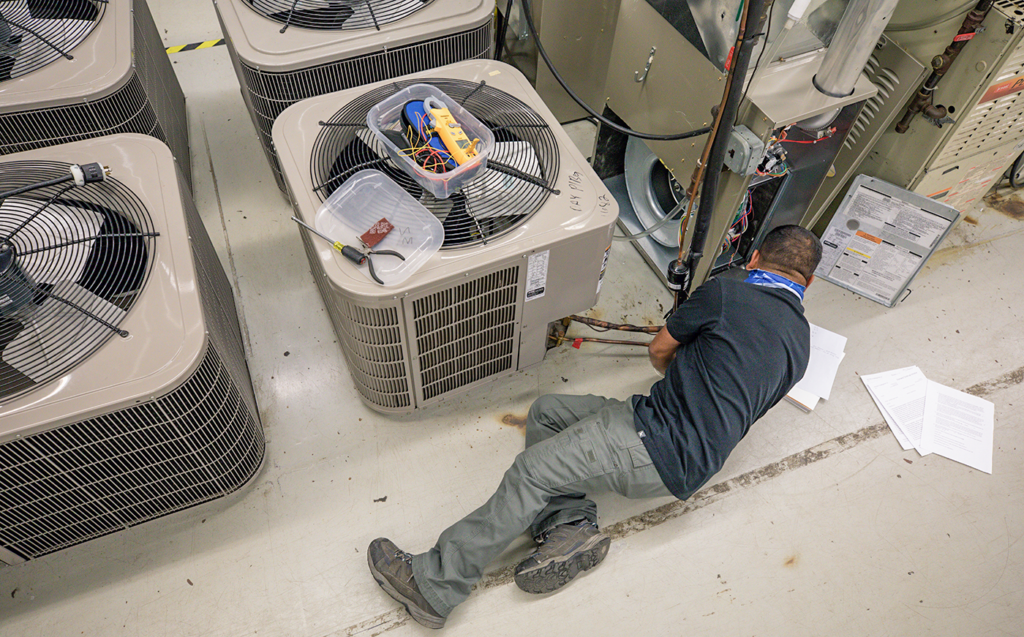
When you think about jobs that keep homes, offices, and factories running smoothly, HVAC technicians are at the heart of it. They’re the people who install, repair, and maintain the heating, ventilation, and air conditioning systems that keep us comfortable every day.

But if you’re considering a career in HVAC or hiring one for your business, one question naturally comes up: how much does an HVAC technician make a year?

Let’s break it down — from salaries by experience level and location to factors that influence pay and why demand for HVAC techs keeps rising.

What Does an HVAC Technician Do?

Before we talk numbers, it helps to understand what HVAC technicians actually do.

HVAC (Heating, Ventilation, and Air Conditioning) technicians work on systems that control air quality and temperature in residential, commercial, and industrial buildings. Their duties include:

  • Installing air conditioning and heating systems
  • Inspecting, cleaning, and maintaining ventilation systems
  • Troubleshooting electrical or mechanical malfunctions
  • Repairing or replacing worn-out components
  • Calibrating thermostats and checking for energy efficiency
  • Working with refrigerants and ensuring systems meet environmental standards

It’s a job that combines technical skill, problem-solving, and physical work — and because HVAC systems are essential year-round, technicians are in steady demand.

The Average Annual Salary of an HVAC Technician

According to data from the U.S. Bureau of Labor Statistics (BLS) and leading salary platforms like Indeed and Glassdoor, the average HVAC technician earns between $50,000 and $65,000 per year (₦78 million to ₦101 million per year, or €46,000 to €60,000).

However, salaries can vary widely depending on experience, location, certification, and specialization.

Let’s break it down further.

Black man, portrait and maintenance, AC repair and engineering with smile and labor outdoor. African male person, fixing air conditioner and urban infrastructure with tools and electrician on rooftop

Entry-Level HVAC Technicians

If you’re just starting out in the field, expect to earn around $38,000–$45,000 per year (₦59 million–₦70 million / €35,000–€42,000).

These positions typically involve assisting senior technicians, learning the ropes, and handling basic maintenance or installations under supervision.

As you gain more hands-on experience and complete certifications (like EPA 608 or NATE), your earning potential increases significantly.

Mid-Level HVAC Technicians

With 3–5 years of experience, most HVAC technicians make $50,000–$65,000 annually (₦78 million–₦101 million / €46,000–€60,000).

At this stage, you’re likely working independently, managing installations or service calls, and possibly supervising newer technicians.

Technicians who specialize in commercial systems, which are often larger and more complex, tend to earn on the higher end of this range.

Senior & Specialized Technicians

Experienced HVAC techs with over 10 years in the field — or those who handle industrial systems, refrigeration, or advanced diagnostics — can make $75,000 to over $100,000 per year (₦116 million–₦155 million / €69,000–€92,000).

Some even move into management or contracting roles, where they oversee multiple projects and teams, earning well above six figures.

Hourly Wages for HVAC Technicians

For technicians paid hourly, the rate usually falls between $22 and $35 per hour (₦17,000–₦27,000 / €20–€31).

In some high-demand markets, especially during peak seasons (summer for air conditioning or winter for heating), hourly rates can surge to $40–$50/hour (₦31,000–₦39,000 / €37–€46).

Overtime, weekend, or emergency repair calls also boost earnings significantly.

HVAC Technician Salary by State (USA)

Location is one of the biggest factors affecting HVAC technician pay. States with high demand and higher living costs typically offer better compensation.

StateAverage Annual Salary (USD)Approx. in ₦ (Naira)Approx. in € (Euro)
California$70,000₦109,000,000€64,000
Texas$56,000₦87,000,000€51,000
Florida$52,000₦81,000,000€47,000
New York$68,000₦106,000,000€62,000
Illinois$60,000₦93,000,000€55,000
Georgia$54,000₦84,000,000€49,000
Arizona$57,000₦88,000,000€52,000
Washington$72,000₦112,000,000€65,000

Note: Figures are based on 2025 averages and rounded for simplicity.

Factors That Affect HVAC Technician Salaries

  1. Experience & Skill Level
    Like most trades, HVAC pay rises with experience. Senior technicians and those with a broad range of technical skills can command top rates.
  2. Certifications & Licenses
    Certifications such as EPA Section 608, NATE, and HVAC Excellence show employers that you meet professional standards, which can boost pay by 10–20%.
  3. Location & Demand
    States with extreme temperatures or fast-growing housing markets (like Florida, Arizona, and Texas) have high demand for HVAC professionals, driving up wages.
  4. Type of Employer
    Technicians working for government agencies or large corporations tend to earn more than those working for small independent contractors.
  5. Overtime & Emergency Work
    HVAC systems don’t follow a 9-to-5 schedule. Technicians who accept emergency calls, weekend shifts, or overtime can add thousands to their yearly income.
  6. Specialization
    Those skilled in refrigeration, commercial HVAC, or energy-efficient systems often earn higher wages due to the complexity and scale of their work.

HVAC Technician Career Outlook

The HVAC industry is growing steadily. The Bureau of Labor Statistics projects employment for HVAC technicians to grow by 6% between 2024 and 2034, about as fast as the average for all occupations.

Rising construction activity, stricter energy regulations, and the replacement of older systems are all driving this demand.

That means not only job stability — but also increasing salaries as skilled workers become more sought after.

Why HVAC is a Strong Career Path

If you enjoy technical, hands-on work that combines problem-solving and real-world impact, HVAC is a solid choice.

  • Job Security: People always need climate control — in homes, offices, hospitals, and factories.
  • Growth Opportunities: You can move up into management, start your own business, or specialize in smart home and energy-efficient systems.
  • No College Degree Required: Most technicians learn through vocational training or apprenticeships, which means you can start earning quickly.
  • Good Pay with Experience: With time, experience, and certification, you can easily reach a six-figure income.

How Tealpot Supports HVAC Professionals

At Tealpot, we understand how valuable skilled technicians are — especially those working on short-term or project-based roles.

If you’re an HVAC professional, you can:

  • Find verified short-term jobs with reliable pay.
  • Work with top companies that need your skills on demand.
  • Build your reputation through ratings and completed projects.

And if you’re a business owner, Tealpot helps you hire certified HVAC technicians quickly, without the long recruitment process. You can fill positions for maintenance, repair, or installation projects — all through one simple platform.

Whether you’re managing a hotel chain, a property firm, or an office complex, we’ll connect you to the right people when you need them.

Hire HVAC Technicians or Find HVAC Jobs →

Final Thoughts

So, how much does an HVAC technician make a year?

On average, between $50,000 and $65,000 per year — but skilled technicians, especially those with certifications or commercial experience, can earn far more. With the growing demand for energy-efficient systems and consistent year-round work, HVAC remains one of the most stable and rewarding technical careers.

And for companies, platforms like Tealpot make it easier than ever to find trusted HVAC professionals ready to take on your next project.

Filed Under: Employee Engagement, Job Seekers

Construction Worker Salary in the USA: 2025 Guide to Pay, Benefits & Trends

July 30, 2025 by Adekiya Joscor

The American construction industry is booming, and with that boom comes a growing demand for skilled workers. But what does that mean for your paycheck if you’re in the construction field? Whether you’re a seasoned pro or just starting out, this guide breaks down everything you need to know about construction worker salaries in the USA in 2025.

From city skylines to highway expansions, construction workers are at the forefront of shaping America’s future. But their compensation doesn’t always reflect the tough, hands-on nature of the job. Understanding salary benchmarks, job roles, and benefits is critical not just for current workers but also for anyone considering a career in this demanding yet rewarding industry.

What Is the Average Construction Worker Salary in the USA?

According to data from the U.S. Bureau of Labor Statistics and recent 2025 labor reports, the average hourly wage for construction laborers and helpers in the United States is approximately $22.50, which translates to about $46,800 annually for full-time work.

However, salary ranges can vary widely depending on role, location, certifications, and union membership:

  • Entry-level workers: $16–18 per hour. These positions often involve basic labor with minimal experience, such as site preparation or material handling.
  • Mid-level workers: $20–25 per hour. This includes workers with several years of experience or those in moderately skilled trades such as framing or finishing.
  • Skilled or specialized roles (like heavy equipment operators, electricians, or welders): $30–40+ per hour. These roles require certifications, licenses, and often involve more risk and responsibility.

In some cases, especially in high-demand urban projects or hazardous environments, specialized workers can even earn upwards of $45–50 per hour, particularly when overtime or night shift premiums are factored in.

Salary by State: Where Do Construction Workers Earn the Most?

Some states pay significantly higher than others due to demand, cost of living, and union strength. Here are a few of the top-paying states:

  • New York: $33.50/hr
  • California: $32.10/hr
  • Illinois: $30.75/hr
  • Washington: $30.10/hr
  • Massachusetts: $29.40/hr
construction
Construction workers wearing protective gear

Southern states like Texas and Florida typically pay lower but may offer a lower cost of living.

Common Construction Roles and Their Pay

The term “construction worker” covers many job types, including:

Job TitleAvg Hourly PayAnnual Salary Estimate
General Laborer$22.50$46,800
Carpenter$27.00$56,160
Electrician$32.50$67,600
Plumber$31.50$65,520
Equipment Operator$29.00$60,320
Welder$28.00$58,240
Mason/Bricklayer$26.50$55,120
HVAC Technician$30.00$62,400
Roofer$24.50$50,960
Site Supervisor$35.00+$72,800+

Factors That Affect Construction Salaries

Several factors determine how much you can earn in construction:

1. Location

High-cost urban areas usually offer better pay to offset expenses. For example, a roofer in San Francisco will earn more than one in rural Alabama.

2. Experience & Training

Skilled workers with certifications (e.g., OSHA, NCCER) or union membership typically earn more.

3. Specialization

Specialized skills like crane operation, high-voltage electrical work, or project management command higher wages.

4. Union vs. Non-Union

Union construction jobs often offer higher wages, better benefits, and more job security compared to non-union roles.

5. Freelancing & Gig Work

Platforms like Tealpot are enabling construction workers to freelance and bid on high-paying short-term projects. This trend is growing in cities like Dallas, Austin, and Atlanta.

Perks & Benefits Beyond the Paycheck

While base pay matters, many construction jobs come with a comprehensive benefits package that can significantly boost your overall compensation:

  • Health insurance: Coverage often includes medical, dental, and vision, with some employers offering family plans.
  • Retirement plans (401k or pensions): Some construction firms offer matching contributions, helping workers build long-term financial security.
  • Paid time off (PTO): Includes sick leave, vacation days, and sometimes holidays—even for hourly workers.
  • Overtime pay: Standard time-and-a-half rates apply, with many workers clocking 50+ hours a week.
  • Travel stipends or per diem: Common in large infrastructure or out-of-town projects, covering meals, lodging, and travel.
  • Tool and gear allowances: Many contractors reimburse for steel-toe boots, safety vests, and specialty tools.
  • Tuition reimbursement or training stipends: Especially common for apprenticeships or continuing education.

In some regions, particularly for union workers, these perks can add over $10,000 to $15,000 annually to your total compensation—making them a key factor in job negotiations and career planning.

The Rise of Female & Minority Workers in Construction

The industry is seeing a more diverse workforce than ever before. Many programs now actively recruit women, veterans, and minorities, offering equal pay and specialized training.

What Employers Are Really Looking For in 2025

To command the best rates, it’s not just about having experience—it’s about having the right attitude and adaptability. In 2025, top employers are seeking:

  • Reliability: Showing up on time, every time.
  • Safety-Mindedness: Strict adherence to OSHA guidelines and site protocols.
  • Tech Readiness: Familiarity with tablets, mobile project tools, and new construction tech.
  • Team Collaboration: Willingness to work across trades.
  • Willingness to Learn: Openness to new methods, tools, and upskilling.

Understanding what employers value can help workers position themselves for better opportunities and negotiate stronger pay packages.

construction

With ongoing infrastructure bills, real estate expansion, and the green energy boom, demand remains strong. Emerging fields like solar panel installation and green retrofitting offer even more opportunities for career growth and increased salaries.

How to Increase Your Construction Salary

  • Earn certifications: OSHA 30, NCCER, or trade-specific licenses
  • Join a union for better wages and benefits
  • Specialize in high-demand fields (e.g., HVAC, electrical, crane ops)
  • Freelance through platforms like Tealpot to access premium projects
  • Network with contractors and attend trade shows

Final Thoughts

Construction work in the U.S. is no longer just about swinging hammers. It’s a dynamic, high-demand field offering solid pay, advancement, and flexibility. Whether you’re a journeyman electrician or a first-year apprentice, there’s a clear path to six-figure earning potential in this industry—especially if you stay certified, specialize, and leverage platforms like Tealpot.

Looking to take your skills freelance or explore better-paying gigs? Visit Tealpot.com and start building your future today.

Filed Under: Blog

Safety Compliance in Blue-Collar Freelancing: Why It Matters and How Tealpot Leads the Way

July 29, 2025 by Adekiya Joscor

In today’s fast-paced, on-demand world, blue-collar freelancers are taking center stage. From electricians to plumbers, welders to HVAC technicians, more skilled workers are opting for freelance routes to gain independence, flexibility, and better pay. But one thing cannot be compromised in this shift: safety compliance.

Unlike traditional employment, where safety practices are dictated and supervised by management, freelancers must take full ownership of their work environments. This self-regulation makes safety protocols even more critical, as one misstep not only risks injury but can also jeopardize a worker’s reputation and future job prospects. In a freelance economy where reviews and ratings matter, being safety-conscious is more than just precaution—it’s a professional advantage.

What is Safety Compliance?

Safety compliance refers to the adherence to health and safety regulations, standards, and practices set by governmental or industry-specific organizations. These rules are designed to prevent injuries, reduce risk, and ensure that workers operate in safe environments.

In a traditional employment setting, safety is usually enforced by company policies and supervisors. In freelancing, especially in blue-collar fields, the responsibility often falls on the freelancer.

Why Safety Compliance Matters More Than Ever

As the gig economy expands and more workers embrace non-traditional employment, the importance of safety compliance grows exponentially. Without the institutional safeguards found in full-time employment, freelancers—especially those in high-risk trades—must take proactive responsibility for their own well-being. Inadequate safety measures can lead to serious accidents, costly litigation, and reputational damage, all of which can threaten a freelancer’s livelihood.

1. High-Risk Industries

Blue-collar jobs are inherently high-risk. Construction, electrical work, plumbing, welding, and similar trades expose freelancers to physical hazards every day. One mistake could result in injury, legal liability, or even loss of life.

2. Legal Accountability

Freelancers are considered independent contractors. This means they are responsible for their own insurance, safety training, and protective gear. Failure to comply with local, state, or federal safety laws can lead to lawsuits or fines.

3. Client Trust and Repeat Business

Clients are more likely to rehire a freelancer who demonstrates safety awareness. Whether it’s wearing the right PPE, using certified equipment, or following OSHA standards, safety-compliant workers signal professionalism and reliability.

4. Platform Integrity and Standards

Platforms like Tealpot play a vital role in maintaining high standards. By ensuring that freelancers understand and adhere to safety rules, Tealpot helps safeguard both workers and clients.

How Tealpot Promotes Safety Compliance

Tealpot isn’t just a marketplace — it’s a trusted ecosystem built for sustainable blue-collar freelancing. Here’s how it leads in safety:

1. Verified Freelancer Profiles

Tealpot features detailed freelancer profiles that include certifications, licenses, and past work history. This helps clients make informed decisions and ensures only qualified professionals are hired.

2. Safety Training Resources

Via its Help Articles and Knowledge Center, Tealpot provides freelancers with access to safety guidelines, industry updates, and training links.

3. Client Safety Ratings

After a job is completed, both freelancers and clients rate each other. This mutual review system includes safety ratings, encouraging workers to take safety seriously in every project.

4. Job Posting Clarity

Tealpot encourages clients to include specific safety requirements in job descriptions. This helps set expectations early and allows workers to prepare accordingly.

5. Service Categories Built with Compliance in Mind

Whether you’re hiring for concrete work, heavy equipment operation, or farm maintenance, each category on Tealpot is tailored with an understanding of the safety standards specific to that industry.

Best Practices for Freelancers to Stay Compliant

Maintaining safety compliance as a freelancer requires a proactive mindset. Unlike traditional employment, there’s no supervisor to double-check your gear or enforce routine protocols. You must take full responsibility for not only your tools and procedures but also how you engage with clients, environments, and regulations. Developing safe habits and staying current with best practices is not just smart—it’s essential for a long, injury-free, and respected freelance career.

1. Stay Up to Date on OSHA Guidelines

Freelancers should regularly review the Occupational Safety and Health Administration (OSHA) regulations relevant to their trade.

2. Invest in Proper Equipment

Cutting corners on tools or protective equipment can be disastrous. Always ensure your gear is certified, functioning, and up to standard.

3. Carry Insurance

Liability insurance isn’t just a nice-to-have. It’s a safety net that protects both freelancers and clients in case of accidents or property damage.

4. Educate the Client

If a client is unaware of certain safety requirements, take the time to explain. This shows leadership and reduces the risk of project disruption.

Construction workers wearing protective gear

5. Use Tealpot Features to Your Advantage

Make your safety certifications and insurance coverage visible on your Tealpot profile. Engage with help articles and stay active in community forums to learn from others.

The Future of Safety Compliance in Blue-Collar Freelancing

As freelancing becomes more normalized in high-risk trades, safety compliance will need to keep pace with evolving work patterns. The future may include integrated safety training modules within job platforms, instant access to temporary insurance coverage, and stricter verification of credentials before projects can begin. These changes will likely be driven by a combination of worker advocacy, client demand, and technological advancements that make safety more accessible and enforceable across distributed workforces.

Final Thoughts

Safety compliance isn’t a checkbox. It’s a commitment. For blue-collar freelancers, it’s the bridge between opportunity and security. For clients, it’s peace of mind. And for platforms like Tealpot, it’s the foundation of a reliable ecosystem.

As you navigate your freelance journey, let safety lead the way. Because at Tealpot, we don’t just connect workers with jobs — we connect them with secure and sustainable success.

Ready to join a platform that puts your safety first?
Visit Tealpot.com and create your profile today. Let’s build safer workspaces together.

Filed Under: Blog

How Recruiting Painters in Dallas, Texas Enhances Economic Value in Real Estate Development

July 9, 2025 by Adekiya Joscor

When we talk about real estate development in Dallas, the conversation often revolves around land acquisition, zoning laws, architectural design, and construction costs. But there’s a silent yet powerful player in this game that often gets overlooked—painters. Recruiting skilled painters in Dallas, Texas, isn’t just about putting color on walls. It’s about boosting the perceived and actual value of a property, accelerating project timelines, enhancing tenant satisfaction, and ultimately increasing return on investment (ROI).

How Recruiting Painters in Dallas Enhances Economic Value

In this post, we’ll break down the real impact of hiring professional painters in Dallas and why they are essential to economic value creation in the real estate sector.

1. First Impressions Drive Real Estate Prices

Let’s face it—people buy with their eyes. A property that looks polished and fresh sells faster and for more money. Painting is one of the most cost-effective ways to improve curb appeal, and in a competitive market like Dallas, this small investment can yield big returns.

Example:

A newly painted exterior in a neutral, modern color scheme can increase home value by 2-5%, according to Zillow. In Dallas, where the median home price sits around $350,000, that’s a potential $7,000 to $17,500 boost—just for a professional paint job.

2. Speeding Up Project Timelines

Recruiting local painters who are experienced and dependable helps developers maintain or even accelerate timelines. Delays in finishing touches like painting can hold up occupancy permits and rental listings, which in turn delays cash flow.

Hiring Dallas-based freelance painters who are available on demand can eliminate these bottlenecks, especially in a city that’s constantly expanding its skyline.

Economic Advantage:

Quicker turnaround means faster move-ins, faster sales, and faster ROI. In large developments with hundreds of units, shaving even a week off the timeline can save thousands in holding costs.

3. Boosting Rental Income Through Quality Finishes

Paint is not just decorative; it sets the tone for how a tenant perceives the quality of a space. High-end finishes, consistent paint quality, and modern palettes make a property feel luxurious and well-maintained. This allows property managers to charge a premium.

Dallas Market Insight:

In neighborhoods like Uptown or Deep Ellum , tenants are willing to pay more for units that feel move-in ready and professionally finished. A high-quality paint job can justify rent increases of $100 to $300 monthly.

4. Supporting the Local Economy

Recruiting painters locally not only ensures cultural and logistical alignment but also supports the Dallas economy. Freelance and blue-collar platforms like Tealpot are connecting developers with painters who live and work in the same city, keeping money circulating within local communities.

Economic Ripple Effect:

Every job given to a local painter fuels spending in other sectors—transportation, food, housing, and services. This circular flow enhances overall economic stability and development.

5. Lower Maintenance Costs and Fewer Complaints

Professional painters do more than slap color on a wall. They prep surfaces correctly, use quality materials, and understand how to paint for longevity. This means fewer touch-ups, less peeling, and longer-lasting results.

Long-Term Value:

For commercial buildings and rental properties, this translates into lower maintenance costs and higher tenant satisfaction. Happy tenants mean better retention rates and reduced vacancy.

6. Adapting to Design Trends & Property Branding

The Dallas real estate scene is evolving fast, especially with the influx of millennials and tech professionals. Color trends are a huge part of branding a property—think boho chic, industrial minimalism, or sleek modernism.

Having access to a roster of painters who understand these aesthetics gives developers a competitive edge. Whether it’s Airbnb-ready units or long-term leases, the paint choices can be the deciding factor.

Strategic Branding:

A well-painted space can be styled to reflect a developer’s brand identity, increasing memorability and market positioning.

7. Job Creation and Workforce Empowerment

By hiring painters through platforms that focus on skilled labor, developers contribute to job creation in a sector that often suffers from underemployment and seasonal work.

Social and Economic Benefit:

This not only empowers workers but also builds loyalty and consistency in labor, reducing turnover and training costs over time. More importantly, it fosters a sense of ownership and community pride.

8. Compliance and Risk Reduction

Experienced painters understand local building codes, OSHA guidelines, and proper disposal methods for paints and solvents. Cutting corners here can result in fines or lawsuits.

Risk Mitigation:

Hiring professionals helps avoid legal issues and ensures that developments are compliant with Dallas and Texas state regulations.

9. Scalability for Future Projects

Once a developer establishes a reliable team of painters in Dallas, it becomes easier to scale up for future projects. Whether it’s flipping single-family homes or launching an apartment complex, having dependable painters on call saves time, money, and stress.

Long-Term Strategy:

Think of it as building a value chain. Your painters are part of a network that ensures consistency, quality, and operational efficiency.

Conclusion: Don’t Underestimate the Paint Bucket

Painters might not get the spotlight in boardroom meetings or architectural magazines, but their role in real estate value creation is undeniable. In Dallas, where the skyline continues to evolve and competition is fierce, recruiting skilled painters isn’t just a tactical decision—it’s a strategic advantage.

From aesthetics and efficiency to branding and local impact, painters bring both visible and invisible value to real estate development. Investing in the right professionals transforms properties faster, boosts ROI, and keeps Dallas looking like the vibrant, growing city it is.

So the next time you’re budgeting for a new build or renovation, give the painting line item a little more love. It’s not just color—it’s capital.

Filed Under: Job Seekers

Why Investing in Warehouse Worker Training in Dallas, Texas Boosts Economic Productivity

July 8, 2025 by Adekiya Joscor

In the fast-paced world of logistics and industrial supply chains, few roles are as central to operational success as that of a warehouse worker. These unsung heroes keep the machinery of commerce running smoothly. And in Dallas, Texas—a booming hub for distribution, e-commerce, and manufacturing—the importance of well-trained warehouse workers cannot be overstated.

While many companies focus heavily on automation, fleet expansion, or customer-facing upgrades, a smart business leader knows that workforce development is where long-term gains are made. Investing in warehouse worker training isn’t just a nice-to-have in Dallas’ competitive landscape; it’s a strategic move that directly boosts economic productivity.

Dallas: A Logistics Powerhouse

Dallas is one of the nation’s most important logistical epicenters. With major highways, rail lines, and airports, it acts as a connective tissue between regional suppliers and national or global markets. The city houses countless warehouses, fulfillment centers, and storage facilities that demand constant human oversight, dexterity, and problem-solving.

These operations depend on the capability and agility of warehouse workers—individuals who handle goods, manage inventory, operate machinery, and ensure orders are fulfilled efficiently. However, without proper training, even the most advanced infrastructure will falter.

The ROI of Skilled Warehouse Workers

The cost of training programs might appear as a short-term expense, but it quickly becomes a long-term investment. Here’s how:

1. Improved Operational Efficiency

Trained warehouse workers understand workflow optimization. They know how to stack, sort, label, scan, and transport goods with speed and precision. When workers are equipped with these skills, businesses can reduce bottlenecks, speed up fulfillment times, and increase daily output. A single trained employee can do the job of two untrained ones without compromising quality.

2. Fewer Workplace Accidents

Warehouses can be hazardous. Between forklifts, conveyor belts, and heavy pallets, safety hazards are everywhere. Proper training on equipment handling, safety protocols, and emergency procedures reduces workplace injuries. Fewer injuries mean less downtime, lower insurance costs, and a healthier workforce.

3. Lower Employee Turnover

A key challenge in Dallas’ warehouse sector is retention. High turnover is costly, with recruiting and onboarding expenses adding up quickly. Training shows workers they are valued, gives them a sense of purpose, and opens pathways for promotion. This loyalty pays off with lower churn rates and a more experienced team.

4. Adaptability to Technology

As more warehouses adopt automation and inventory management systems, the skill gap widens. Training prepares warehouse workers to use barcode scanners, tablets, inventory apps, and robotics interfaces. This tech literacy is a must-have in a city like Dallas where innovation is at the forefront.

Warehouse Worker

Bridging the Gap Between Demand and Supply

With e-commerce surging and Dallas serving as a distribution nucleus, the demand for reliable warehouse workers is growing rapidly. However, many job seekers lack the necessary skills. By investing in training, companies can bridge this gap while contributing to local economic development.

When local workers are trained and employed in these roles, disposable income rises. These workers spend money in their communities, pay taxes, and stimulate demand for services—creating a ripple effect that enhances regional economic productivity.

The Role of Freelance Platforms Like Tealpot

Tealpot is revolutionizing how blue-collar professionals connect with employers. For businesses looking to hire trained warehouse workers in Dallas, Tealpot provides an efficient way to find vetted professionals. On the flip side, it also offers workers a chance to upskill, showcase their credentials, and bid on quality jobs.

Through Tealpot, companies can:

  • Hire workers who have completed certified training programs.
  • Post job requirements that emphasize specific skills (e.g., forklift certification, inventory software experience).
  • Reduce hiring risks by accessing ratings, reviews, and past project histories.

And for warehouse workers, the platform:

  • Creates access to better-paying opportunities.
  • Encourages self-development through skill visibility.
  • Opens doors to repeat engagements and career advancement.

Industry-Wide Benefits of Training Investment

Let’s zoom out. When companies in Dallas collectively invest in warehouse worker training, the entire logistics and manufacturing ecosystem benefits.

– Faster Fulfillment Across the Board

Retailers, wholesalers, and shipping companies all benefit from quicker, more accurate order fulfillment.

– Standardized Best Practices

Trained workers follow industry-standard protocols, reducing variability and improving collaboration between departments or partner companies.

– Upskilled Labor Pool

A trained workforce becomes a competitive advantage for the region. It attracts more investment from companies seeking stable, competent talent pools.

– Economic Inclusion

Training programs open doors for underserved communities, helping them break into well-paying, high-demand roles. This drives social mobility and economic equality.

What Should Warehouse Worker Training Include?

To be effective, training must go beyond basic onboarding. It should include:

  • Safety Procedures: OSHA standards, proper lifting techniques, PPE usage.
  • Equipment Handling: Forklifts, pallet jacks, shrink-wrap machines.
  • Inventory Management: Software tools, stock rotation, order picking.
  • Soft Skills: Teamwork, communication, time management.
  • Technology Training: Tablets, barcodes, warehouse management systems.

Ongoing refresher courses are also essential, especially as tech and safety standards evolve.

Final Thoughts: Productivity Through Preparedness

In a dynamic, fast-growing market like Dallas, warehouse workers are the unsung drivers of economic success. When trained properly, they increase efficiency, reduce costs, and help businesses scale sustainably.

Investing in warehouse worker training is not just good for individual companies; it’s a catalyst for broader economic productivity in the Dallas region. With platforms like Tealpot making it easier than ever to connect trained professionals with employers, now is the time to prioritize workforce development.

Don’t just hire fast. Hire smart. And start with training. The returns will surprise you.

Filed Under: Blog, Job Seekers

How to Hire a Handyman in Dallas: A Step-by-Step Guide

April 3, 2025 by Adekiya Joscor

Hiring a reliable and skilled handyman can significantly simplify the process of maintaining your home or office, ensuring tasks like repairs, installations, and improvements are handled efficiently and professionally. In a bustling city like Dallas, having a dependable handyman at your disposal means fewer disruptions to your daily routine and more peace of mind knowing your property is well-cared for. If you’re unsure about how to hire a handyman, this comprehensive step-by-step guide will clearly outline the process, helping you quickly find and connect with the ideal professional suited to your specific needs.

Determine Your Handyman Requirements

Start by clearly defining the scope of work:

  • Specific repairs or improvements needed
  • Frequency of handyman visits (one-time, weekly, monthly)
  • Budget constraints
  • Required expertise or certifications

Clearly defined tasks will attract handymen who are precisely suited for your projects.

Use Specialized Online Platforms Like Tealpot

Online platforms such as Tealpot simplify the process of finding reliable and qualified handymen in Dallas. These platforms give you quick access to skilled professionals who have been thoroughly vetted.

Why Tealpot?

Tealpot offers numerous benefits for hiring handymen:

  • Thorough vetting of professionals
  • Transparent client reviews and ratings
  • Effective communication tools
  • Secure and straightforward payment processes

Create a Detailed Job Post

When posting your handyman job, include clear details such as:

  • Description of the tasks (plumbing, Residential electricians near me, carpentry, general repairs)
  • Timeframe for completion
  • Budget and payment terms
  • Desired schedule for work

Using platforms like Tealpot, you can easily post your job and rapidly connect with qualified handymen.

Review Candidates Carefully

Evaluate candidates by reviewing:

  • Previous experience and specific skills
  • Client reviews and ratings
  • Any relevant licenses or certifications

Thorough reviews ensure you select the most competent and reliable handyman available.

Conduct Detailed Interviews

Always conduct interviews, either in-person or virtually, to confirm a candidate’s suitability:

  • Verify experience and skills
  • Clearly discuss expectations and specific tasks
  • Evaluate reliability and professionalism

Good communication during interviews helps ensure clarity and mutual understanding.

Clear Agreements and Expectations

Define your expectations upfront:

  • Specific tasks and duties
  • Work schedule and deadlines
  • Compensation and payment methods

Clear agreements help avoid misunderstandings and facilitate smoother project completion.

Efficiently Manage Your Projects

Platforms like Tealpot offer integrated tools to:

  • Monitor progress
  • Maintain communication with your handyman
  • Ensure quality and satisfaction

Effective management ensures projects stay on schedule and meet expectations.

Benefits of Hiring a Handyman Online

Online hiring provides significant advantages:

  • Convenience: Quickly find professionals who match your specific needs.
  • Time Efficiency: Reduced time spent searching and interviewing.
  • Secure Transactions: Safe and transparent payment options.

Real-Life Examples: Successful Handyman Projects in Dallas

Many Dallas residents have successfully hired handymen online:

  • Homeowners in Highland Park have efficiently handled small repairs and renovations.
  • Businesses in Uptown Dallas have quickly addressed maintenance tasks and office improvements.

Essential Tips for Successfully Hiring a Handyman

Maximize your success in understanding how to hire a handyman in Dallas:

  • Provide a detailed description of your job.
  • Engage actively with candidates via the hiring platform.
  • Communicate clearly regarding tasks and expectations.
  • Rely on client feedback and reviews for informed decision-making.

Conclusion

Knowing how to hire a handyman in Dallas doesn’t have to be complicated. Leveraging specialized platforms like Tealpot, you can effortlessly connect with skilled, trustworthy handymen who meet your specific needs. With clear communication, thorough evaluation, and efficient project management, you can ensure your handyman tasks are completed professionally and efficiently, keeping your property in excellent condition.

Filed Under: Job Seekers

  • Page 1
  • Page 2
  • Page 3
  • Interim pages omitted …
  • Page 7
  • Go to Next Page »

Primary Sidebar

Featured Post

How To Find Skilled Blue-Collar Workers in Your Area

How To Find Skilled Blue-Collar Workers in Your Area

2024 Volkswagen Taos Maintenance Schedule: What You Need to Know

2024 Volkswagen Taos Maintenance Schedule: What You Need to Know

How to Get Part-Time Warehouse Jobs Near Me

How to Get Part-Time Warehouse Jobs Near Me

How to Reset Toyota Camry Maintenance Light

How to Reset Toyota Camry Maintenance Light

How Much Does Videography Cost for 4 Hours in Virginia?

How Much Does Videography Cost for 4 Hours in Virginia?

Copyright © 2025 Tealpot.com. All Rights Reserved

  • Home
  • About Us
  • Contact Us
  • Help Center

Get Exclusive Updates on Hiring Skilled Workers!

Join Tealpot’s Growing Community