
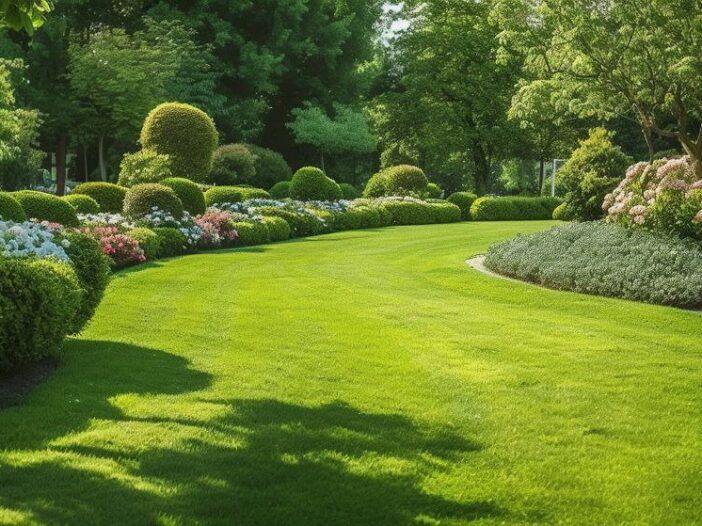
Summer in Texas isn’t just hot; it can be brutal. With long days of intense sun and temperatures that regularly soar above 90°F, your landscape faces unique challenges that plants in cooler climates never see. But with the right strategies, you can create a yard that not only survives but thrives in the heat.
If you’re searching for effective landscaping tips for Texas heat, you’re in the right place. This guide will walk you through everything from plant selection to irrigation, mulch, layout, and maintenance; all designed for hot, dry conditions.
Understanding the Challenges of Landscaping in Texas Heat
Texas heat can:
- Stress plants and make them wilt.
- Increase water needs, making irrigation essential.
- Dry out the soil quickly.
- Cause sunburn on sensitive plants.
So the goal isn’t just to plant beautiful things; it’s to build a landscape system that’s heat-tolerant, water-efficient, and low maintenance.
Landscaping Tips for Texas Heat: How to Keep Your Yard Thriving

Before worrying about watering schedules or maintenance, the first step to a successful Texas landscape is planning for the heat. From choosing the right plants to adding shade, mulch, and heat-smart design, these strategies will help your yard stay lush, vibrant, and low-maintenance even under the scorching summer sun.
1. Choose Heat-Tolerant Plants
One of the best landscaping tips for Texas heat is to start with the right plants. Native and drought-tolerant species are adapted to hot climates, require less water, and are more resilient. They include:
- Texas Sage (Leucophyllum frutescens): evergreen shrub that blooms after rain.
- Bluebonnets & Indian Paintbrush: iconic Texas wildflowers.
- Lantana: colorful, heat-tolerant perennial.
- Mexican Feather Grass: ornamental grass that thrives in heat.
- Salvia: many varieties love sun and dry soil.
Tip: Look for native plants at your local nursery: they are better suited to the local climate and soils.
2. Water Wisely with Smart Irrigation
Texas heat causes rapid evaporation, so efficient watering is crucial. Here are some tips:
- Water early in the morning: reduces evaporation and gives plants moisture before the heat.
- Use drip irrigation or soaker hoses: delivers water directly to roots.
- Avoid overhead sprinklers during hottest hours: water lost to evaporation.
Deep, infrequent watering encourages deeper roots and makes plants more drought-resilient.
3. Mulch Is Your Best Friend
Mulch doesn’t just make your yard look clean; it protects the soil and retains moisture. Benefits of mulch include:
- Reduces evaporation so soil stays moist longer.
- Keeps soil temperature coolers.
- Suppresses weeds (which compete for water).
- Adds organic matter as it breaks down.
Good mulch choices are wood chips, bark, and cedar mulch.
Tip: Apply 2–4 inches of mulch around plants and beds, but keep it a few inches away from plant stems to avoid rot.
4. Provide Shade Where Possible
Too much direct summer sun can scorch plants. Strategically placed shade helps cool your landscape. Here are some ways to add shade:
- Plant trees like Live Oak or Mexican Sycamore.
- Use shade cloth over young plants.
- Add garden structures (arbors, pergolas) with climbing vines.
Shade not only protects plants; it creates cooler outdoor living spaces too!
5. Improve Soil Health for Better Heat Tolerance
Good soil helps plants take up water better and withstand stress. Here are some tips:
- Add organic compost to improve water retention.
- Avoid heavy tilling: it breaks up beneficial soil structure.
- Test your soil: the right pH and nutrients help plants thrive.
Healthy soil can mean fewer watering days and stronger plants over time.
6. Prune and Maintain Smartly
Proper maintenance keeps plants strong and reduces stress during high-heat months.
Maintenance tips include:
- Prune dead growth in early spring.
- Remove diseased or crowded branches to improve airflow.
- Don’t over-fertilize in mid-summer; it can burn plants and increase heat stress.
Consistent care keeps your landscape resilient and reduces long-term problems.
7. Plan for Seasonal Interest and Color
Just because it’s hot doesn’t mean your yard can’t be beautiful! Some plants include:
- Mexican Heather: low, fragrant, heat-loving blooms.
- Black-eyed Susan: bright, heat-resistant flowers.
- Daylilies: colorful and tolerant of full sun.
Design your beds so you have layered heights and textures, with taller plants toward the back.
Seasonal Checklist for Texas Landscapes
Spring
- Plant heat-tolerant species
- Test soil and add compost
- Install irrigation
Summer
- Water early
- Add mulch
- Monitor for pests and heat-stress
Fall
- Prune lightly
- Refresh mulch
- Prepare beds for winter
Final Thoughts
Landscaping in Texas heat doesn’t have to be hard; it just has to be smart. By choosing resilient plants, watering wisely, protecting your soil, and adding strategic shade, you can create a space that stays green, vibrant, and easy to manage even in the toughest months.
And if you’d rather have professionals handle the planning, planting, or maintenance, Tealpot can help.
Our local landscaping partners across Dallas–Fort Worth and surrounding Texas cities specialize in heat-smart lawn care and sustainable outdoor design, built for long Texas summers. Get a personalized landscape plan that keeps your yard thriving year-round.
