• Skip to primary navigation
  • Skip to main content
  • Skip to primary sidebar
TealPot

TealPot

  • Home
  • About Us
  • Resources
    • Tealpot Service Cost Estimator
    • Freelancers Invoice Generator
    • House Cleaning Prices & Cleaning Cost Calculator
    • Room Addition Cost Calculator
    • Concrete Driveway Cost Calculator
    • Home Repair Estimate Calculator
    • Work Duration Estimator
    • Paint Coverage Calculator
  • Contact Us

Brave

Tealpot’s Top 16 Handyman Services You Need to Get Done Around Your Home

October 16, 2024 by Brave

Your home is your sanctuary, and maintaining it can feel like an endless list of tasks. Handyman services are here to save the day! Here’s a rundown of essential handyman services you might need around your home to keep it in top-notch condition.

Plumbing Repairs

Leaky faucets, clogged drains, and running toilets can be more than just an annoyance—they waste water and can lead to higher utility bills. A skilled handyman can tackle these plumbing issues efficiently, ensuring everything flows smoothly.

Electrical Work

From fixing flickering lights to installing new fixtures, electrical work is often better left to professionals due to the risks involved. Handyman services can handle minor electrical repairs and installations, ensuring your home’s electrical system is safe and functional.

One reason to change a light fixture is to make the room brighter. Different rooms need different levels of light, so customizing the fixture and bulbs is the best way to get the desired brightness.

While changing a light fixture involves some electrical work, it’s a relatively easy project. If you’re not comfortable doing it yourself, a handyman can easily install the new fixture.

Painting and Touch-Ups

Whether it’s refreshing a room’s appearance or touching up scuffed walls, a handyman can handle painting tasks with precision. They can prep the surfaces, apply paint evenly, and ensure a professional finish that enhances your home’s aesthetics.

Carpentry

Custom shelving, repairing broken furniture, or installing trim and molding—carpentry is another area where handyman services shine. Skilled carpenters can create bespoke pieces or fix existing ones to ensure everything in your home looks and works perfectly.

Gutter Cleaning and Repair

Clogged or damaged gutters can lead to water damage and other serious problems. A handyman can clean out debris, repair any damage, and ensure your gutters are properly diverting water away from your home’s foundation.

Drywall Repair

From small holes to significant damage, drywall issues can detract from your home’s interior appeal. Handyman services can patch, sand, and paint drywall to seamlessly blend repairs with existing walls.

Door and Window Repair

Misaligned doors, squeaky hinges, or drafty windows can be frustrating. A handyman can realign doors, lubricate hinges, and seal windows to improve energy efficiency and ensure smooth operation.

Tile Installation and Repair

Whether you’re updating a backsplash, flooring, or shower surround, tile work requires precision and skill. Handymen can handle tile installation and repairs, ensuring tiles are laid correctly and look stunning.

Home Security Enhancements

Installing deadbolts, security cameras, and alarm systems can significantly enhance your home’s security. Handyman services can help with these installations, providing peace of mind and protecting your home from potential threats.

Appliance Installation

From installing new kitchen appliances to setting up a washer and dryer, a handyman can handle appliance installations, ensuring they’re connected properly and functioning as expected.

Furniture Assembly

Flat-pack furniture can be a puzzle. A handyman can efficiently assemble your new purchases, saving you time and the frustration of interpreting complex instructions.

Exterior Maintenance

Maintaining your home’s exterior is just as important as the interior. Handyman services can handle tasks like power washing siding, repairing fences, or even assembling outdoor furniture to keep your outdoor spaces looking their best.

HVAC Maintenance

Regular maintenance of your heating, ventilation, and air conditioning (HVAC) systems ensures they run efficiently and last longer. While some tasks should be left to HVAC specialists, handymen can assist with tasks like changing filters and cleaning vents.

Flooring Repairs

Scratches, dents, and other flooring issues can detract from your home’s beauty. Handyman services can repair various flooring types, including hardwood, laminate, and vinyl, to restore your floors to their former glory.

Basement and Attic Upkeep

These often-neglected areas of the home can benefit from handyman services, from insulating and drywalling basements to ensuring attics are well-ventilated and free of pests.

Handyman services cover a wide range of tasks, providing valuable assistance for maintaining and improving your home. Regular maintenance and timely repairs can prevent minor issues from becoming major problems, ensuring your home remains a comfortable and safe haven. Whether you need a quick fix or a more substantial home improvement project, a reliable handyman can make all the difference.

Tealpot is a robust freelance marketplace that bridges the gap between talented blue-collar workers and employers seeking their expertise.
Filed Under: All

10 signs your water heater needs to be replaced

October 12, 2024 by Brave

A dependable water heater is a critical appliance in any household, essential for daily tasks like showering, dishwashing, and laundry. Like all appliances, water heaters have a finite lifespan and will show signs of wear and tear over time. If your water heater is aging or nearing a breakdown, you may notice specific warning signs. Here are the top 10 indicators that you may need to replace your water heater, as suggested by experts in water heater replacement and furnace repair at Bell Brothers.

Lifespan of Your Water Heater

Age is a key factor in determining whether your water heater needs replacement. The average lifespan of tank water heaters ranges from 8 to 12 years, while tankless models can last around 20 years with proper maintenance. As your water heater approaches the end of its lifespan, issues requiring repair become more frequent. After about a decade, it’s wise to watch for warning signs and consider a replacement to avoid a sudden breakdown.

Leaks and Moisture Around the Water Heater

Water heaters are designed to keep water inside their tanks. Any sign of external water, such as leaks or moisture around the base, suggests a failing tank. Corrosion over time makes tanks prone to leaks, which can escalate quickly. Immediate professional attention is crucial if you spot any moisture around your water heater to prevent significant water damage.

Insufficient Hot Water

A sudden decrease in the amount of hot water your heater provides is a clear sign of a problem. If you often run out of hot water during tasks like showering or dishwashing, your water heater may be failing. This can result from sediment buildup, a malfunctioning thermostat, or a failing heating element, and these issues typically worsen with age.

Strange Noises

Unusual sounds from your water heater, like rumbling, popping, or banging, can indicate sediment buildup at the tank’s bottom. This buildup can insulate the heating element, causing it to overheat and make noises. Sediment accumulation reduces efficiency and can lead to premature failure, so strange sounds should prompt a professional inspection.

Fluctuating water temperatures

inconsistent water temperatures can signal a deteriorating water heater. If your water frequently shifts from hot to cold, it might be due to a failing heating element or a malfunctioning thermostat. These temperature inconsistencies disrupt daily routines and may require either a repair or, more likely, a replacement if repairs are ineffective.

Rusty Water

Rusty or discolored water from your hot water taps can indicate internal tank degradation. Over time, the inner tank can corrode, leading to rust and sediment in your water. Rusty water is not only unpleasant but can also signal potential leaks, risking water damage to your home. It’s best to call a professional immediately if you notice this issue.

Energy Bills keeps Increasing

An older water heater may become less efficient, leading to higher energy bills. If your utility costs rise without an increase in hot water usage, your heater could be the culprit. Aging units often struggle to maintain water temperature, causing them to run more frequently and consume more energy. Replacing your old heater with a newer, more efficient model can save money over time.

Visual Light Indicator Malfunction

For gas water heaters, a malfunctioning light can indicate the need for replacement. Frequent outages or difficulties in relighting it may suggest issues with the thermocouple or other components. A reliable indicator light is essential for proper operation, and persistent problems may mean it’s time for a new unit.

Visible Rusting Or Corrosion

Visible rust or corrosion on the tank or exterior components indicates deterioration. Corrosion weakens the water heater’s structure and can lead to leaks and other problems. If you observe rust, it’s essential to have your heater inspected by a professional to evaluate whether it needs replacement.

Repetitive Repairs

If you’re frequently repairing your water heater, it might be reaching its lifespan’s end. Constant repairs can be costly and inconvenient. When repair costs outweigh the benefits of maintaining the existing unit, replacing it might be the more cost-effective option. A new water heater offers better performance and reliability.

READ ALSO: 10 Essential Tools for Every Plumber’s Toolkit

When to Repair Instead of Replace

Water heaters are a significant investment, and many homeowners opt for repairs over replacement when possible. However, depending on the problem, replacing the unit may be more cost-effective. Consider the following:

Your Water Heater’s Age: If it’s nearing the end of its lifespan (8-12 years for gas or electric models), replacement is often wiser. For units less than five years old, repairs might be more economical, especially if they’re still under warranty.

Nature of the Repair: Minor issues like faulty pressure relief valves, thermostats, or broken heating elements can be cost-effective repairs. However, problems like rust or fractures may necessitate a new unit. Professional advice can help you weigh repair costs against replacement benefits.

How Long You Plan to Stay in Your Home: If a repair can extend the water heater’s life for a few years and you’re planning to move soon, repairs might make sense. If you’re staying long-term, consider the costs of short-term repairs versus a complete replacement.

Upgrading Your Water Heater: If you’re planning to switch to a different type of water heater, like a tankless model, factor this into your decision. Investing in a new heater now might save money in the long run.

Tealpot is an innovative service marketplace designed to connect users with a wide range of professional services.

Filed Under: Usefull Resources

Tips and what to consider when hiring an electrician

October 12, 2024 by Brave

Hiring a qualified electrician is crucial for ensuring the safety and functionality of your electrical system. A poorly wired or maintained electrical system can pose serious risks, including electrical fires and injuries. This guide will provide you with essential tips and information to help you select the right electrician for your needs.  

You need to Understand the Basics

Before you start your search, it’s important to have a basic understanding of electrical systems. This will enable you to communicate effectively with potential electricians and make informed decisions. Familiarize yourself with terms like circuits, outlets, switches, and wiring types.

Assessing Your Needs

Determine the specific electrical work you need to be done. Are you looking for a simple repair, a major renovation, or a new installation? Understanding the scope of your project will help you narrow down your search for electricians with the appropriate expertise.

Gathering Recommendations broadens your knowledge

Word-of-mouth recommendations are often the most reliable way to find a trustworthy electrician. Ask friends, family, neighbors, or coworkers if they have any positive experiences to share. Online review platforms can also be a valuable resource, but be cautious of fake or biased reviews.

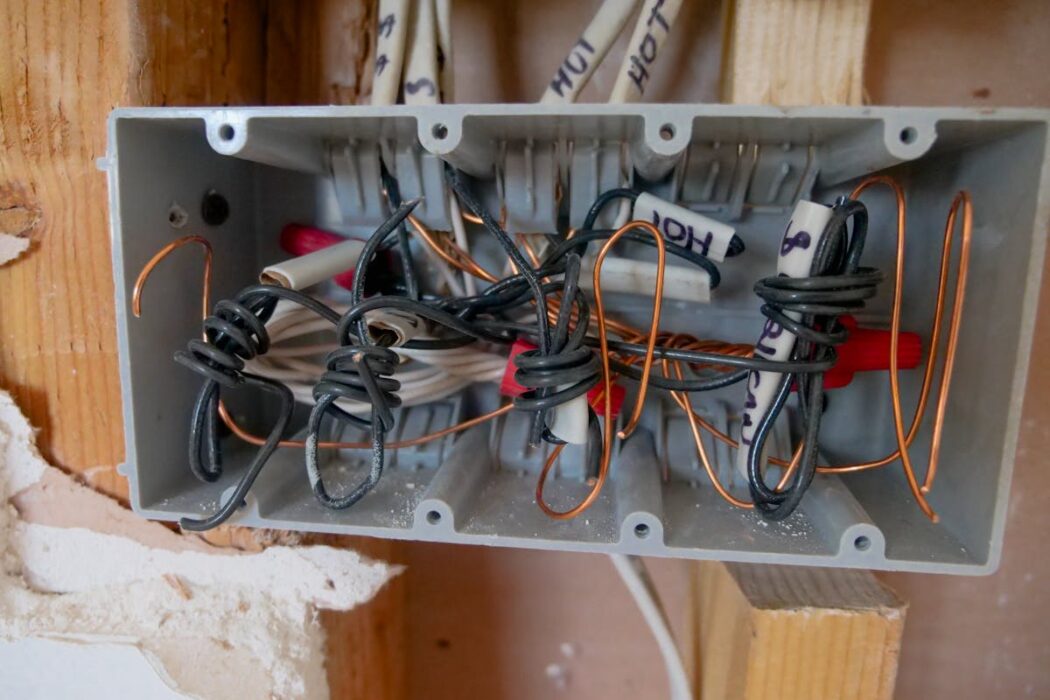
An electrical box outlet

Checking Credentials and Licenses

Verify that the electricians you’re considering are licensed and insured. A license indicates that they have met the necessary qualifications and training to perform electrical work. Each state has its own requirements regarding licensing and permits, so check your area’s rules before hiring an electrician

Checking for Insurance.

Established electricians understand that having personal liability insurance is a must in order to protect them from financial loss.

Requesting References

Ask potential electricians for references from previous customers. Contact these references to inquire about their satisfaction with the electrician’s work, professionalism, and timeliness.

Getting Multiple Quotes

Never accept the first quote you receive. Obtain estimates from at least three qualified electricians to compare pricing, services, and timelines. Be sure to provide detailed information about your project to ensure accurate quotes.

Understanding Contracts

Before hiring an electrician, carefully review the contract. The contract should clearly outline the scope of work, materials to be used, estimated timeline, payment terms, and dispute resolution procedures.  

Evaluating Communication and Professionalism

Pay attention to how the electrician communicates with you. They should be responsive, professional, and able to explain technical information in a clear and understandable manner. Avoid electricians who seem rushed, dismissive, or unwilling to answer your questions.

Assessing Experience and Expertise

Inquire about the electrician’s experience in the type of work you need. Ask about similar projects they have completed and how long they have been in business. A seasoned electrician with a proven track record is more likely to deliver quality results.

Discussing Safety Protocols

Electrical work can be hazardous. Ensure that the electrician is committed to safety practices. Ask about their safety procedures, equipment, and adherence to local electrical codes.  

Checking for Additional Services

Some electricians offer additional services, such as electrical inspections, energy audits, or generator installations. If you need these services, inquire if they are included in the electrician’s expertise.

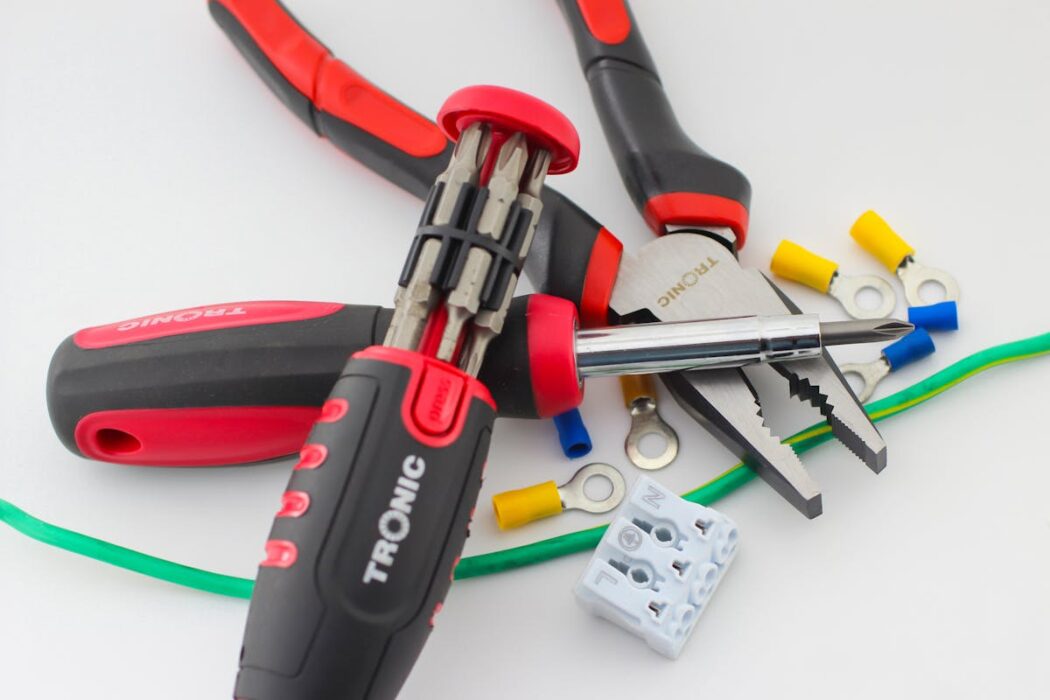
Some tools that electricians use while in work

Considering Warranties

Ask about the electrician’s warranty policy. A reputable electrician will offer a warranty on their work, providing you with peace of mind in case of any issues that arise after the project is completed.  

Addressing Red Flags

Be wary of the following red flags:

  • Unlicensed or uninsured electricians: This can lead to legal and financial problems.  
  • Unprofessional behavior: Avoid electricians who are rude, unresponsive, or unwilling to provide information.
  • Lowball prices: Extremely low quotes may indicate subpar workmanship or the use of inferior materials.  
  • Lack of references: Be cautious of electricians who cannot provide references from previous customers.
  • Pressure to sign a contract immediately: Take your time to review the contract carefully before making a decision.

Additional Tips

Be present during the work: This will allow you to monitor the electrician’s progress and address any concerns.
Obtain permits: If your project requires permits, ensure that the electrician obtains them on your behalf.

Communicate effectively: Keep in touch with the electrician throughout the project to discuss any changes or questions.  
Pay in installments: Consider paying in installments as the work progresses, especially for large projects.

By following these tips and conducting thorough research, you can increase your chances of hiring a reliable and skilled electrician for your electrical needs. Remember, investing in a quality electrical system is an investment in your home’s safety and value.

Bonus: Expert Facts Every Homeowner Should Know

  1. Licensing Is Non-Negotiable: A licensed electrician is legally required in most states. Verify licenses through local boards like the NCBEEC. See top trade schools that provide licenses.
  2. Insurance Protects Your Wallet: Confirm at least $500,000 in liability coverage and workers’ comp.
  3. Experience Levels Matter: Apprentice (entry), Journey-level (8,000 hrs), Master (12,000+ hrs). For complex work, go with a master.
  4. Get Multiple Quotes: Prices for the same job can vary from $150 to $12,000.
  5. Referrals and Reviews Are Gold: Google, Angi, BBB – use them all. But balance with personal referrals.
  6. Contracts Ensure Accountability: Include warranty terms (typically 1–5 years).
  7. Prep Your Home: Clear workspaces, secure pets, unplug electronics.
  8. Red Flags: No references, rushed quotes, full upfront payment requests.
  9. Permits Are a Must: Especially for panel upgrades or rewiring.
  10. Warranties Add Peace of Mind: Ask for written coverage.
  11. Side Gigs Can Be Risky: Unlicensed workers may cost less but carry legal and safety risks.
  12. Inspect After Completion: Check the work, get documentation.
  13. Safety Codes Matter: Ensure compliance with NFPA 70 (NEC).
  14. Schedule Smart: Book in spring/fall and batch jobs to save money.
  15. Low Online Presence Isn’t a Dealbreaker: Some great electricians work via word of mouth.

Services an Electrician Offers

Electricians can address any issue relating to your home’s power grid. That can include small projects, like fixing flickering lights, or major ones, like installing an electrical panel. Common projects electricians address include the following:

  • Indoor lighting
  • Outdoor lighting
  • Outlets
  • Wiring
  • Inspections
  • Electrical panels
  • Circuit breakers
  • Security systems
  • Household appliances

Tealpot is an innovative service marketplace designed to connect users with a wide range of professional services.

Filed Under: Usefull Resources

Navigating Health and Safety for Blue-Collar Workers

October 11, 2024 by Brave

Safety is a big deal in the life of a blue-collar worker. It’s all about the physical and psychological well-being of these folks who power various sectors, from construction to manufacturing to transportation.

Blue-collar workers are the backbone of many industries, working in roles that often involve physical labor, operating machinery, or working in environments that present unique safety challenges. Ensuring their health and safety is paramount, not just for the individuals but for their families and the broader economy. Understanding the intersection of health, safety, and insurance is crucial for blue-collar workers. This article explores these topics in depth.

The Physical Demands and Health Risks

Blue-collar jobs can be physically demanding, often involving repetitive movements, heavy lifting, prolonged standing, and exposure to hazardous environments. These demands can lead to various health issues, including musculoskeletal disorders, respiratory problems, and occupational injuries. Common health risks include:

Musculoskeletal Disorders: Strain from repetitive motions and heavy lifting can lead to chronic pain and injuries.

Respiratory Issues: Exposure to dust, fumes, and chemicals can cause long-term respiratory problems.

Hearing Loss: Prolonged exposure to high noise levels can result in hearing impairment.

Heat Stress: Working in hot environments can lead to heat-related illnesses.

The Importance of Safety Protocols

Implementing safety protocols is critical in minimizing these risks. Employers must adhere to regulations and standards set by organizations such as the Occupational Safety and Health Administration (OSHA) in the United States or the Health and Safety Executive (HSE) in the UK. Key measures include:

Personal Protective Equipment (PPE): Proper use of PPE such as helmets, gloves, masks, and ear protection.

Safety Training: Regular training sessions to educate workers on best practices and emergency procedures.

Workplace Inspections: Routine inspections to identify and mitigate potential hazards.

Ergonomic Practices: Designing workstations and tasks to reduce strain and injury.

Psychological Well-being

Beyond physical health, psychological well-being is crucial for blue-collar workers. High-stress environments, job insecurity, and long hours can lead to mental health issues such as anxiety, depression, and burnout. Employers can support mental health by:

Providing Access to Mental Health Resources: Offering counseling services and mental health days.

Fostering a Supportive Work Environment: Encouraging open communication and peer support.

Implementing Work-Life Balance Policies: Ensuring reasonable working hours and time-off policies.

Understanding Insurance Options

Insurance is a vital aspect of protecting blue-collar workers. Understanding the different types of insurance available can help workers secure their well-being.

Health Insurance: Covers medical expenses for illnesses and injuries. Policies vary widely, so understanding coverage details is essential.

Disability Insurance: Provides income replacement if a worker is unable to work due to injury or illness.

Workers’ Compensation: Mandatory in many regions, it covers medical costs and lost wages for work-related injuries.

Life Insurance: Provides financial support to families in the event of a worker’s death.

Navigating Insurance Claims

Filing insurance claims can be a daunting process. Here are some tips for blue-collar workers:

Keep Detailed Records: Maintain documentation of injuries, medical treatments, and communications with employers and insurers.

Understand Policy Terms: Know the coverage, exclusions, and limits of your insurance policies.

Seek Professional Help: Consult with insurance experts or legal advisors to navigate complex claims.

The Role of Employers

Employers play a critical role in ensuring the health and safety of blue-collar workers. This includes:

Providing Comprehensive Health Benefits: Offering robust health insurance plans and wellness programs.

Promoting a Safety Culture: Prioritizing safety in all aspects of operations and encouraging workers to report hazards.

Investing in Training and Equipment: Ensuring workers have the knowledge and tools to perform their jobs safely.

The Future of Blue-Collar Work

The landscape of blue-collar work is evolving with technological advancements and changing industry standards. This future includes:

Automation and Robotics: Reducing the physical strain on workers by automating repetitive tasks.

Enhanced Safety Measures: Using technology such as wearable devices to monitor workers’ health and safety in real time.

Remote and Hybrid Work: While challenging for some blue-collar roles, these models are becoming more feasible with advancements in technology.

By understanding the physical and psychological risks, implementing robust safety protocols, and navigating the complexities of insurance, we can create a safer and more supportive environment for these essential workers. Employers, policymakers, and workers themselves must collaborate to ensure a future where blue-collar work is both safe and fulfilling.

Let TealPot connect you with skilled professionals who excel in their craft, ensuring your projects are in expert hands.

Filed Under: Business insurance

What are the differences between a Working License and a permit

October 11, 2024 by Brave

Navigating the professional world as a blue-collar worker can be complex, especially when it comes to understanding the differences between having a license and a permit. Many times it is important to have one or the two to be allowed to perform in as a worker.

Differences Between a License and a Permit

License:
A license is an official certification issued by a governing body that grants a worker the right to practice a profession after meeting specific qualifications and passing necessary examinations.

For example, an electrician or plumber often requires a license to operate legally.


Licenses generally indicate a higher level of skill and knowledge, ensuring that the worker meets industry standards and safety regulations.

Permit:
A permit is usually a temporary authorization granted to perform specific tasks or jobs for a limited period.


Permits are often issued for projects requiring oversight by local authorities or for individuals in training under the supervision of a licensed professional.

For example, a permit might be required for construction work, which is time-bound and specific to a location.

According to the U.S. Chamber of Commerce, the difference between business licenses and business permits lies in two distinct factors: the requirements needed to obtain a license or permit and the purpose for obtaining each. Both business licenses and permits are issued by a government agency, but in order to obtain a business license, you most likely need to complete a registration process and, in certain situations, take and pass a professional exam. The purpose of a business license is to claim the right to own and operate a business.

In contrast, business permits are a type of licensure devoted to a certain aspect of public safety. To get a business permit, you will likely need to contact an applicable local departmentand schedule a time for an inspection of your business location. 

What are the dangers of working without a license or a permit

Working without a license or permit can have severe consequences, both legally and financially:

Legal Repercussions:
Working without a required license or permit is illegal and can result in fines, legal action, and a permanent ban from practicing the profession.

Safety Risks:
Lack of proper certification often means inadequate training and knowledge, posing significant safety risks to both the worker and the public.

Financial Consequences:
Without the proper credentials, workers may face lawsuits and hefty penalties if something goes wrong on the job.

Process of Acquiring a License

Education and Training:
Complete required educational programs or apprenticeships specific to the trade.
Experience:
Gain necessary work experience under the supervision of a licensed professional.
Examination:
Pass any required exams to demonstrate competency in the field.
Application:
Submit an application to the relevant licensing authority, often accompanied by proof of education, experience, and exam results.
Fees:
Pay any required fees associated with the licensing process.

Process of Acquiring a Permit

Determine Necessity:
Identify if the job or task requires a permit according to local regulations.
Application:
Fill out a permit application form detailing the scope of work, location, and duration.
Review:
Local authorities review the application to ensure compliance with regulations.
Approval:
Once approved, the permit is issued, and work can commence as specified.
Inspection:
Regular inspections may be required to ensure compliance with safety and regulatory standards.

Bodies Responsible for Issuing Licenses and Permits

The bodies responsible for issuing licenses and permits vary depending on the profession and location:


Trade Boards and Councils:
Bodies like the Electrical Contractors‘ Association or local trade councils oversee and issue licenses for specific trades.
Local Government Authorities:
Local municipalities or county offices typically handle permits, especially for construction-related activities.
Professional Associations:
Certain professional associations may also issue licenses, such as the National Association of Home Builders.

In summary, understanding the differences between a license and a permit is crucial for blue-collar workers. While a license demonstrates a high level of skill and is often a long-term certification, a permit is typically a short-term authorization for specific tasks.

Working without these credentials can have serious legal, safety, and financial repercussions. The process to acquire them involves education, experience, application, and fees, with various governing bodies overseeing the issuance.

Filed Under: Blog

10 Essential Tools for Every Plumber’s Toolkit

October 10, 2024 by Brave

Whether you’re a seasoned professional or a budding apprentice, having the right tools is crucial for success in the plumbing industry. This article will delve into the ten basic tools that every plumber must have, ensuring that you’re well-equipped to handle any job that comes your way.

  1. Pipe Wrench
    The pipe wrench is iconic in the world of plumbing, known for its adjustable jaw and long handle, which provides the necessary leverage to grip and turn pipes securely. Available in various sizes, this tool is essential for tasks such as assembling or disassembling threaded pipes.

Usage Tips: Always use the correct size wrench for the job to avoid damaging the pipe or the tool itself. Ensure the wrench’s teeth are clean and sharp to maintain a strong grip on the pipe.

  1. Adjustable Wrench
    An adjustable wrench, also known as a Crescent wrench, is a versatile tool that can be adjusted to fit various sizes of nuts and bolts. This adaptability makes it invaluable for plumbing tasks, allowing you to work on different components without switching tools constantly.

Usage Tips: Keep the wrench’s adjustment mechanism well-oiled to ensure smooth operation. Use it to tighten or loosen nuts and bolts that are awkwardly placed or of varying sizes.

  1. Basin Wrench
    Designed specifically for working in tight spaces, a basin wrench is indispensable for tasks like installing and removing faucets. Its long handle and pivoting head make it perfect for reaching and turning fasteners in hard-to-reach areas under sinks.

Usage Tips: Use the basin wrench to tackle stubborn fasteners in cramped spaces, and always ensure the head is securely locked in place before applying force.

  1. Plunger
    A plunger is a basic but vital tool in any plumber’s arsenal. It works by creating a vacuum that dislodges blockages in drains and toilets, making it essential for both emergency repairs and routine maintenance.

Usage Tips: Ensure a tight seal between the plunger and the surface you’re working on. Use a quick, forceful motion to create the necessary vacuum and dislodge the blockage.

  1. Pipe Cutter
    A pipe cutter is essential for making clean, precise cuts on pipes, which is crucial for proper fitting and installation. Available in manual and powered versions, this tool is designed to cut through materials like copper, PVC, and PEX piping.

Usage Tips: Choose the appropriate cutter for the type of pipe you’re working with. Rotate the cutter around the pipe evenly to ensure a clean cut without deforming the pipe.

  1. Tape Measure
    Accuracy is key in plumbing, and a tape measure ensures that pipes and fittings are cut to the correct length. This tool is essential for planning and executing installations with precision.

Usage Tips: Use a tape measure with clear, easy-to-read markings. Measure twice to ensure accuracy before making any cuts or adjustments.

  1. Tubing Cutter
    Similar to a pipe cutter, a tubing cutter is specifically designed for cutting copper pipes. It provides a smooth, accurate cut, which is essential for creating leak-proof joints.

Usage Tips: Use a tubing cutter for clean cuts on copper pipes, ensuring the cutting wheel is sharp and the tool is properly aligned to avoid any burrs or uneven edges.

  1. Plumber’s Tape (Teflon Tape)
    Also known as Teflon tape, plumber’s tape is used to seal threaded pipe joints and prevent leaks. This tape is a must-have for any plumbing job, ensuring that connections are secure and water-tight.

Usage Tips: Wrap the tape around the threads in the direction you’ll be tightening the pipe. Apply several layers for a strong, leak-proof seal.

  1. Plumber’s Putty
    Plumber’s putty is used to create watertight seals around faucets, drains, and other fixtures. It’s pliable and easy to work with, making it essential for preventing leaks in various plumbing installations.

Usage Tips: Roll the putty into a snake-like shape and press it firmly around the area to be sealed. Clean any excess putty after installation to ensure a neat finish.

  1. Plumber’s Snake (Drain Auger)
    For more stubborn clogs that a plunger can’t handle, a plumber’s snake, or drain auger, is essential. This tool reaches deep into pipes to dislodge and remove blockages, ensuring the smooth flow of water.

Usage Tips: Insert the snake into the drain slowly, and use a rotating motion to navigate bends and curves. Apply gentle pressure to break up the blockage without damaging the pipes.


Having the right tools is the cornerstone of successful plumbing work. Each of these ten basic tools serves a specific purpose, from dislodging clogs to cutting pipes and ensuring leak-proof connections. By equipping yourself with these essentials, you’ll be ready to tackle a wide range of plumbing tasks with confidence and efficiency.

Invest in Quality: Quality tools last longer and perform better, making them a worthwhile investment for any professional plumber.

Stay Organized: Keep your tools well-organized and easily accessible to save time and reduce frustration on the job site.

Keep Learning: The plumbing industry is constantly evolving, with new tools and techniques emerging regularly. Stay informed and continually update your toolkit to maintain your edge in the field.

By mastering the use of these tools and maintaining a well-equipped toolkit, plumbers can ensure they are always prepared to handle any challenge that comes their way. Whether you’re fixing a leaky faucet or installing a new plumbing system, these ten tools will serve as the foundation of your professional success.

Tealpot is an innovative service marketplace designed to connect users with a wide range of professional services.

Filed Under: Blog

4 Quick Tips for Securing a Blue-Collar Job

October 9, 2024 by Brave

Mastering the Job Hunt: A simple Guide for Blue-Collar Workers

The blue-collar workforce is a vital component of many economies, providing essential services and contributing significantly to economic growth. However, finding suitable employment within these industries can be challenging.

These jobs, which encompass roles in sectors like construction, manufacturing, transportation, and maintenance, require specific skills and qualifications that are often distinct from those in white-collar professions.

Here’s a simple guide to help you navigate the process and increase your chances of landing the perfect job.

1. Identifying Job Opportunities

The first step in any job hunt is to identify potential opportunities. In blue-collar industries, this can involve a mix of online and offline methods:

Online Job Boards: Websites like TealPot, Indeed, Monster, and CareerBuilder often have sections dedicated to blue-collar jobs. Specialized job boards like Tradesmen International and RoadTechs are also worth exploring.

Networking: Word-of-mouth remains a powerful tool in these industries. Attend industry events, join local trade associations, and connect with other professionals on platforms like LinkedIn.

Apprenticeships and Training Programs: Many blue-collar jobs offer apprenticeship programs that combine on-the-job training with classroom instruction. These programs can be a direct path to employment.

Local Job Fairs: These events often feature employers looking to hire immediately. Bring multiple copies of your resume and be prepared for on-the-spot interviews.

2. Building a Strong Resume

A well-crafted resume is crucial in showcasing your skills and experience. Here are some tips tailored to blue-collar workers:

Highlight Relevant Skills: Focus on the skills that are directly related to the job you’re applying for. Use bullet points to list specific abilities, such as proficiency with certain tools or machinery, safety certifications, and experience with various types of construction or maintenance work.

Include Certifications and Training: Blue-collar employers value hands-on experience and formal training. Make sure to list any certifications, licenses, or training programs you’ve completed. This could include things like a Commercial Driver’s License (CDL), OSHA certifications, or technical school degrees.

Detail Work Experience: Use concise language to describe your previous job roles. Include the company name, your job title, and the dates of employment. Under each role, list your key responsibilities and achievements. Quantify your accomplishments whenever possible (e.g., “Reduced machine downtime by 20% through regular maintenance and repairs”).

Tailor Your Resume: Customize your resume for each job application. Highlight the skills and experience most relevant to the specific job posting.

Keep it Simple and Clean: Use a straightforward layout with clear headings and bullet points. Avoid excessive jargon and keep your resume to one or two pages.

3. Preparing for Interviews

Interviews in blue-collar industries can be different from those in white-collar professions. Here’s how to prepare:

Research the Company: Before the interview, research the company to understand its culture, values, and the specific job role. This will help you tailor your responses and demonstrate your interest in the position.

Practice Common Questions: While technical questions related to your trade will be a focus, you may also be asked standard interview questions like “Tell me about yourself” or “Why do you want to work here?”. Prepare concise, honest answers.

Showcase Your Skills: Be ready to discuss your hands-on experience. Bring up specific projects or tasks where you successfully applied your skills. If possible, bring a portfolio of your work or photos of completed projects.

Demonstrate Reliability: Blue-collar jobs often value reliability and punctuality. Emphasize your dependability, strong work ethic, and ability to work well with others.

Dress Appropriately: For many blue-collar job interviews, wearing business casual attire is suitable. However, if you’re unsure, it’s always better to be slightly overdressed than underdressed.

Ask Questions: Prepare a few questions to ask the interviewer about the company, team, or specific job duties. This shows your interest and helps you evaluate if the job is a good fit for you.

4.Following Up

After the interview, it’s important to follow up to reinforce your interest in the position and leave a lasting impression:

Send a Thank-You Note: A brief thank-you email or note to the interviewer can set you apart from other candidates. Express your gratitude for the opportunity, briefly reiterate your interest in the job, and mention a specific point you discussed during the interview.

Stay Patient and Persistent: Hiring processes can take time, especially in large companies. If you haven’t heard back within a week or two, consider sending a polite follow-up email to inquire about the status of your application.

Keep Applying: Don’t put all your eggs in one basket. Continue applying for other positions and attending interviews. The more opportunities you pursue, the higher your chances of finding the right job.

Conclusion

Navigating the job market in blue-collar industries can be challenging, but with the right approach, you can significantly improve your chances of success. By identifying job opportunities, building a strong resume, preparing thoroughly for interviews, and following up diligently, you’ll be well on your way to landing a fulfilling job in your chosen field. Happy job hunting

Filed Under: Job Seekers

7 ways of addressing the Growing Skills Gap in the Blue-Collar Workforce

October 9, 2024 by Brave

A significant challenge facing many industries today is a widening skills gap in the blue-collar workforce. As the Baby Boomer generation retires, younger generations are often ill-prepared or uninterested in filling these roles, leading to a decline in construction, manufacturing, and engineering jobs.

Despite increased college enrollment among Millennials, their career aspirations tend to lean towards fields like technology, business, and the social sciences. Many younger individuals envision careers that are perceived as glamorous or intellectually demanding, overlooking the essential roles played by blue-collar workers in maintaining our modern society.

The High Demand for Skilled Trades

The declining number of blue-collar workers is creating a surge in demand for these positions. The Bureau of Labor Statistics reports that several of the fastest-growing occupations are in the skilled trades, including solar photovoltaic installers, wind turbine service technicians, and bicycle repairers.

Here are some jaw-dropping statistics:

  • 80% of firms predict a shortfall of qualified skilled trade workers over the next year — Associated General Contractors of America
  • 75% of construction companies nationwide are having a difficult time finding qualified workers — Associated General Contractors of America
  • 62% of firms struggle to fill important skilled trade positions — Adecco
  • 32% of billion-dollar manufacturers estimate they’ll lose over $100 million as Boomers retire over the next five or so years — Adecco
  • 31 million positions will be left vacant by 2020 due to Baby Boomer retirement estimations — Adecco
  • 30 million jobs in the United States that pay an average of $55,000 per year don’t require bachelor’s degrees — Georgetown Center on Education and the Workforce

Essentially, all this data means that there is a skilled labor shortage and recruiters, along with employers, are having a difficult time filling these open positions.

The traditional path to a successful career often involves a four-year college degree. However, many students pursue higher education without a clear career plan, leading to high dropout rates. Additionally, manual labor jobs are frequently stigmatized as less desirable or suitable for those with college degrees, discouraging many young people from considering these career paths.

Addressing the Skills Shortage

To bridge the skills gap and attract more talent to blue-collar professions, companies must adopt several strategies:

Rebranding Blue-Collar Careers: Challenge negative stereotypes by highlighting the intellectual demands, problem-solving skills, and career advancement opportunities within these fields.

Offer Competitive Benefits: Provide attractive compensation packages, flexible work arrangements, and opportunities for professional development to entice younger workers.
Invest in Training and Development: Offer ongoing training programs to equip employees with the latest skills and technologies.

Create Career Pathways: Demonstrate clear paths for advancement within the company, including opportunities for leadership and management roles.

Partner with Educational Institutions: Collaborate with trade schools and community colleges to develop apprenticeship programs and promote these careers to students.

Showcase the Financial Rewards: Highlight the lucrative earning potential of blue-collar jobs, especially with experience and specialized skills.

Embrace Technology: Incorporate modern technologies into the workplace to make these jobs more appealing to younger generations.


By implementing these strategies, companies can help address the skills shortage and ensure a sustainable future for the blue-collar workforce.

Tealpot is an innovative service marketplace designed to connect users with a wide range of professional services.

Filed Under: All

Blue-Collar Workers: A Guide on How to Engage America’s Backbone.

October 8, 2024 by Brave

Blue-collar workers are the lifeblood of American industry. From construction crews to mechanics, from welders to electricians, these skilled individuals keep our infrastructure running, our products built, and our services delivered, they contributing significantly to various industries.

However, this often overlooked demographic faces unique challenges that require tailored engagement strategies. But keeping them engaged and happy can be a challenge.

Understanding the Challenges of Blue-Collar Workers and addressing the Gaps

Economic Insecurity: Many blue-collar jobs offer lower wages, limited benefits, and job instability, leading to financial concerns.

Physical Demands: These roles often involve physically demanding tasks that can lead to injuries and fatigue.

Limited Career Advancement: Traditional career paths within blue-collar industries may be limited, hindering upward mobility.


Lack of Recognition:
Blue-collar workers may feel undervalued and overlooked compared to their white-collar counterparts.


The Pros and Cons of Blue-Collar Jobs

Pros:

Job Satisfaction: Many blue-collar workers find fulfillment in their hands-on work and the tangible results they achieve.

Stability: While job security can vary, some industries, such as construction and manufacturing, offer relatively stable employment.

Skills Development: Blue-collar jobs often require the development of valuable technical and practical skills.

Work-Life Balance: Flexible schedules and the ability to balance work and personal life can be attractive to some blue-collar workers.


Cons:

Physical Strain: The demanding nature of these jobs can lead to health problems and early retirement.

Limited Advancement: Opportunities for career growth and increased earning potential may be limited.

Economic Uncertainty: The cyclical nature of some industries can make employment less secure.

Lack of Recognition: Blue-collar workers may feel undervalued and underappreciated.

Top 10 Annual salaries of Blue collar workers in The US


The Impact of AI on Blue-Collar Jobs and ways of Navigating the Technological Landscape

Artificial intelligence (AI) is rapidly transforming the workplace, and blue-collar jobs are not immune to its effects. While AI has the potential to automate certain tasks, it also creates new opportunities and requires workers to adapt to new skills.

Automation: AI can automate repetitive and dangerous tasks, potentially leading to job displacement.

New Job Roles: As AI technology advances, new job roles will emerge, such as AI technicians and data analysts.

Upskilling and Reskilling: Blue-collar workers will need to acquire new skills to remain competitive in the AI-driven economy.


Skill Development for Blue-Collar Workers

Technical Skills: Investing in training programs that teach technical skills, such as robotics and automation, can help blue-collar workers stay relevant.

Soft Skills: Developing soft skills, such as problem-solving, communication, and teamwork, can enhance employability and career prospects.

Lifelong Learning: Encouraging a culture of lifelong learning can help blue-collar workers adapt to changing technological landscapes.

By understanding the challenges, opportunities, and the impact of AI, businesses can develop effective strategies to engage and support blue-collar workers. By investing in their development and creating a positive work environment, companies can foster a more engaged, productive, and sustainable workforce.

Filed Under: Employee Engagement

Why hire a professional wood chipping services

October 3, 2024 by Brave

Wood chipping services transform garden and yard waste into useful, eco-friendly mulch. By breaking down branches, bushes, and other organic materials, these services help recycle green waste and create mulch that can enrich soil, retain moisture, and reduce weed growth. Wood chipping not only beautifies landscapes but also supports sustainable gardening practices by reducing landfill contributions.

Moreover, wood chipping services are a lifesaver for both residential and commercial property owners. They efficiently manage large volumes of organic debris, saving time and labor compared to manual methods. With professional equipment and skilled operators, these services ensure safe and effective disposal of tree trimmings and storm debris. This helps maintain clean, attractive outdoor spaces while adhering to environmental standards.

A back view of construction workers grinding trees in a street

The risks of DIY wood chipping

DIY wood chipping might seem like a straightforward task, but it carries substantial risks that often outweigh the benefits. For starters, without proper training, you run the risk of severe injuries. Wood chippers are powerful machines designed to handle tough tasks, and if mishandled, they can cause serious harm. Inappropriate feeding techniques, such as inserting large branches too quickly, can lead to dangerous kickbacks.

There’s also a risk of debris being ejected at high speeds, which can cause injuries to the operator or bystanders. The loud noise and vibrations can lead to hearing loss and repetitive strain injuries if appropriate protective gear isn’t used. It’s a far cry from a casual gardening task, quickly escalating to a dangerous activity.

In addition to the physical dangers, DIY wood chipping poses environmental risks. Without knowledge of proper wood disposal methods, you might inadvertently spread diseases or pests from chipped material into your garden or compost.

Wood chippers emit exhaust gases that, if not properly ventilated, can be harmful to you and the environment. Furthermore, improper use of the machine can damage your property or the equipment itself, leading to costly repairs.

The cost of renting or buying a wood chipper, combined with potential medical bills, can make professional services a safer, more cost-effective choice in the long run. The allure of a DIY project is strong, but some tasks are best left to the professionals.

A tree chipper or wood chipper is a portable machine used for reducing wood into smaller wood chips blowing tree branches cut up into the back of a truck.

Key Questions to Ask a Wood Chipping Service Before Hiring

When you need a wood chipping service to handle those pesky branches and tree debris, it’s important to choose a reliable company. Asking the right questions upfront can save you time, money, and potential headaches. Here are some key questions to consider:

  1. Licensing and Insurance
    Licensing: Is your company licensed to operate in our area?
    Insurance: Do you carry liability insurance to cover any potential accidents or property damage?
  2. Experience and Expertise
    Years of Experience: How long has your company been in business?
    Equipment: What type of wood chipper do you use?
    Crew Size: How many people are typically on a job site?
  3. Services Offered
    Chipping Services: Do you offer both on-site and off-site chipping?
    Debris Removal: Do you remove the wood chips and other debris from the property?
    Additional Services: Do you offer any additional services, such as tree removal or stump grinding?
  4. Pricing and Payment
    Pricing Structure: How do you calculate your fees? Is it hourly, per cubic yard, or a flat rate?
    Payment Methods: What payment methods do you accept?
    Additional Fees: Are there any additional fees, such as fuel surcharges or disposal fees?
  5. Scheduling and Timelines
    Availability: When can you schedule the job?
    Estimated Time: How long will the job take?
    Weather Conditions: How do weather conditions affect your scheduling?
  6. Safety and Environmental Impact
    Safety Procedures: What safety measures do you take to protect your workers and property?
    Environmental Practices: Do you dispose of wood chips responsibly?
    Noise and Dust Control: What steps do you take to minimize noise and dust pollution?

By asking these questions, you can ensure that you hire a qualified and reputable wood chipping service. Remember to get multiple quotes and compare prices before making a final decision.

Visit Tealpot freelance blue-collar website to find a professional wood chipping service .

Related Articles

Gardening or Landscaping? Choosing the Right Service for Your Outdoor Space

10 states in America with the best lawn care businesses

10 Mistakes to Avoid When Hiring a blue collar worker

Filed Under: Employee Engagement

  • « Go to Previous Page
  • Page 1
  • Page 2
  • Page 3
  • Page 4

Primary Sidebar

Featured Post

Tips and what to consider when hiring an electrician

Tips and what to consider when hiring an electrician

How Long Does It Take to Become an Electrician? Your Complete Timeline Guide

How Long Does It Take to Become an Electrician? Your Complete Timeline Guide

How Much Does a HVAC Tech Make? 2025 Salary Guide

How Much Does a HVAC Tech Make? 2025 Salary Guide

Skilled Trades Recruiter in the US: Tealpot Blue-Collar Platform

Skilled Trades Recruiter in the US: Tealpot Blue-Collar Platform

How to Dry Clean Down Pillows Without Ruining Them

How to Dry Clean Down Pillows Without Ruining Them

Copyright © 2026 Tealpot.com. All Rights Reserved

  • Home
  • About Us
  • Contact Us
  • Help Center

Get Exclusive Updates on Hiring Skilled Workers!

Join Tealpot’s Growing Community